
Water heater repair in Union City, Fulton County
Union City, GA Water Heater Repair When the Shower Runs Cold or the Tank Starts to Leak
The shower runs cold, the tank is making noise or there is water on the floor around the heater. Those are three different problems, and they call for different next steps. Some can wait until a scheduled visit, and a steady leak cannot.
Call Union City GA Plumbing Pros, describe what the heater is doing and you will hear whether it needs an emergency plumber now or a repair visit soon.
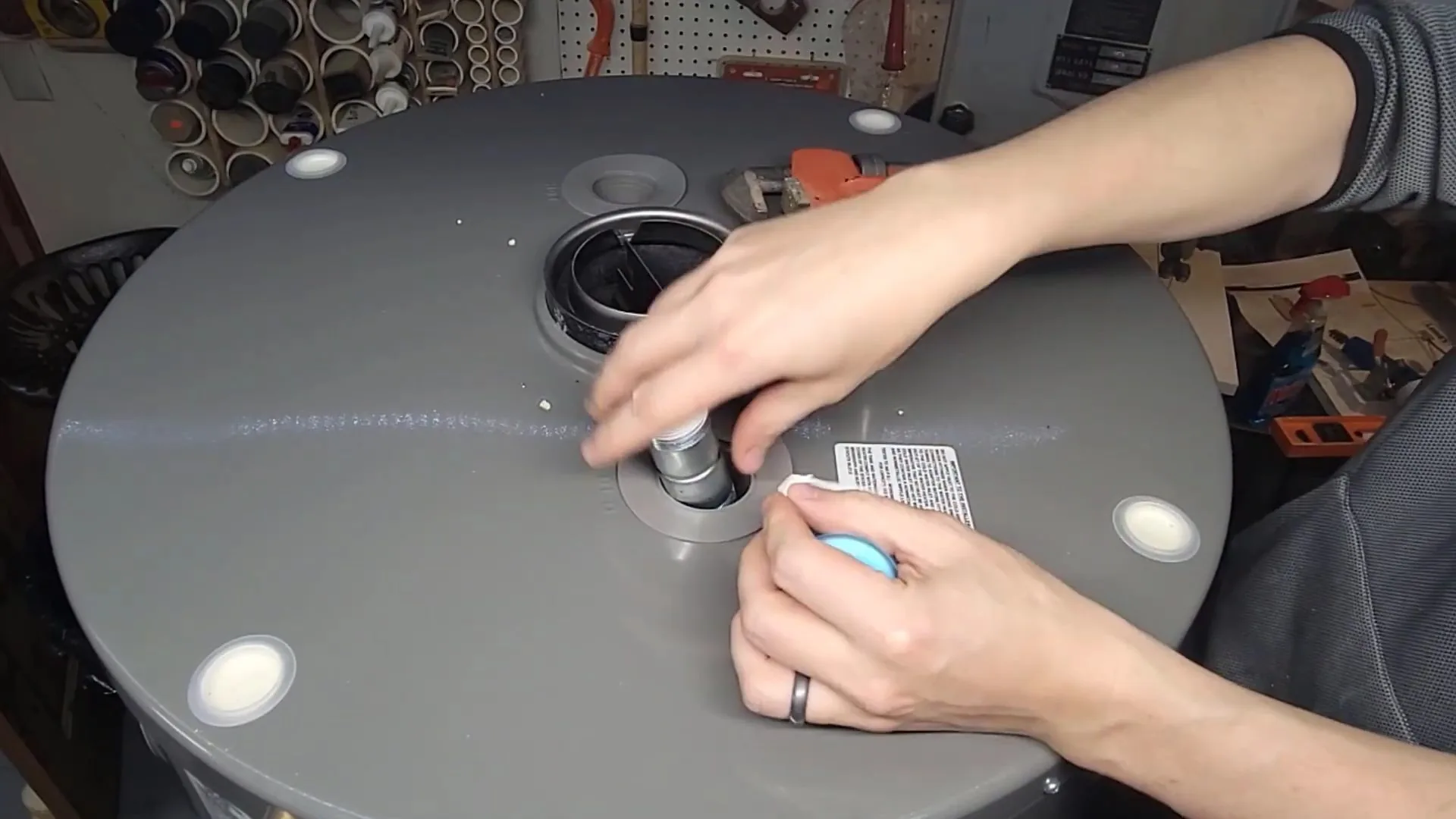
Is the water heater really leaking, or is the water from somewhere else?
Water around a heater does not always come from the tank. Start by finding where it is coming from before you decide how urgent it is.
- Pipe fittings on top. A drip from a connection or valve at the top is often a repairable fitting.
- The discharge pipe. A pipe on the side of the heater leads from the relief valve. Water coming out of it means the valve opened, which a plumber needs to look at.
- Condensation. A cold tank in a warm room can sweat, especially right after a large draw of water.
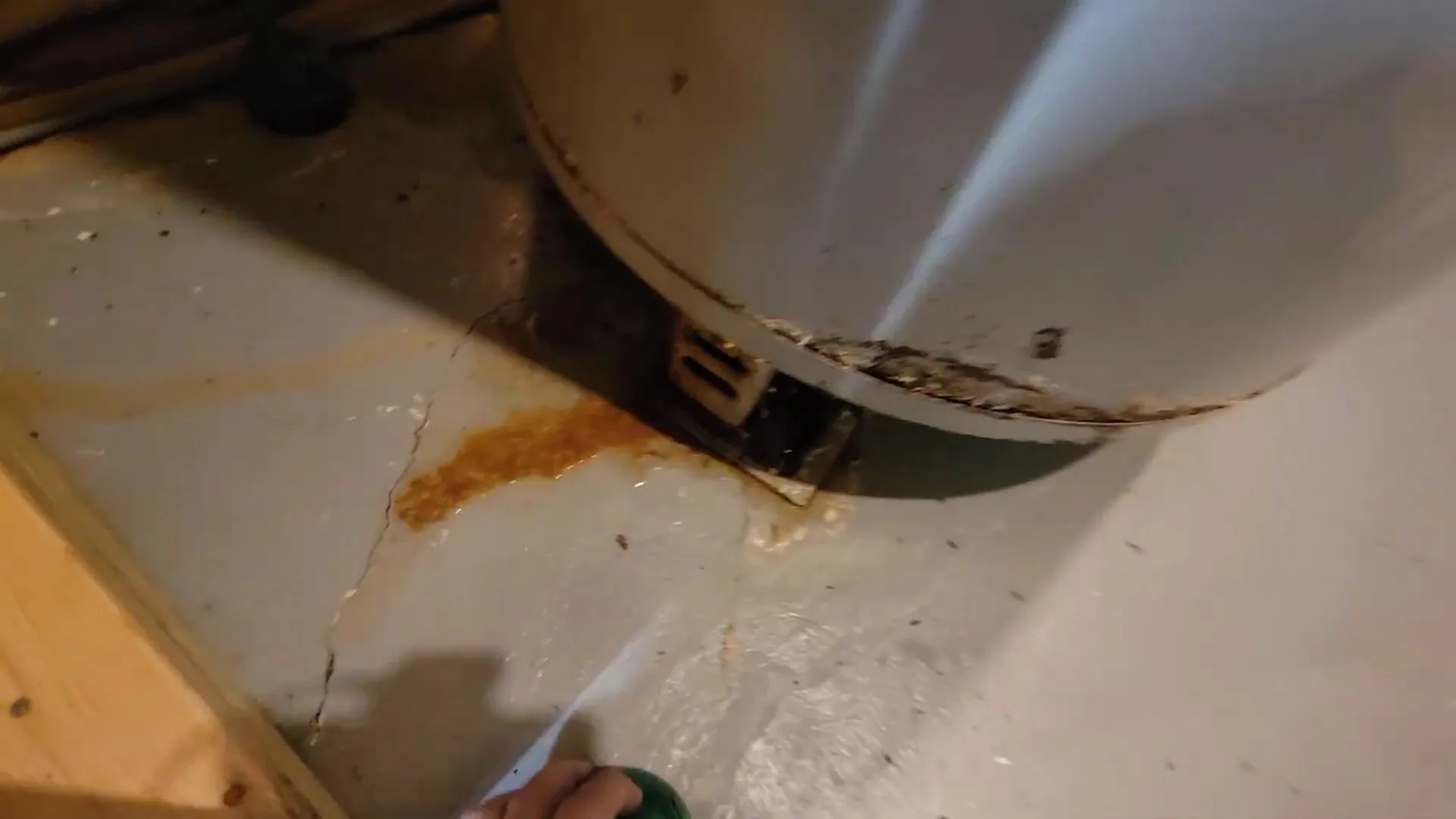
- The tank itself. Water seeping from the bottom or the seam usually means the tank has failed.
- A nearby source. A washing machine hose, a sink above or an air handler drain can all leave water near a heater.
A tank that leaks from the shell is rarely repaired. If that is what you find, move to the replacement section below.
A leaking tank: what to do in the first ten minutes
- Find the cold water valve on the pipe above the heater and turn it fully clockwise to stop water entering the tank.
- Switch off power only if the breaker panel and the floor around it are dry. If either is wet, stay clear and call.
- On a gas heater, turning the gas control to its off position is a normal step. If you smell gas, leave the house instead and call your gas utility from outside.
- Move belongings off the floor and photograph the water and the heater before you clean up.
- Call and describe where the water is coming from and how fast.
A steady leak, water reaching the electrical panel, or water that is spreading beyond the closet all justify calling for an emergency visit. A slow weep at a fitting can usually wait for a scheduled one.
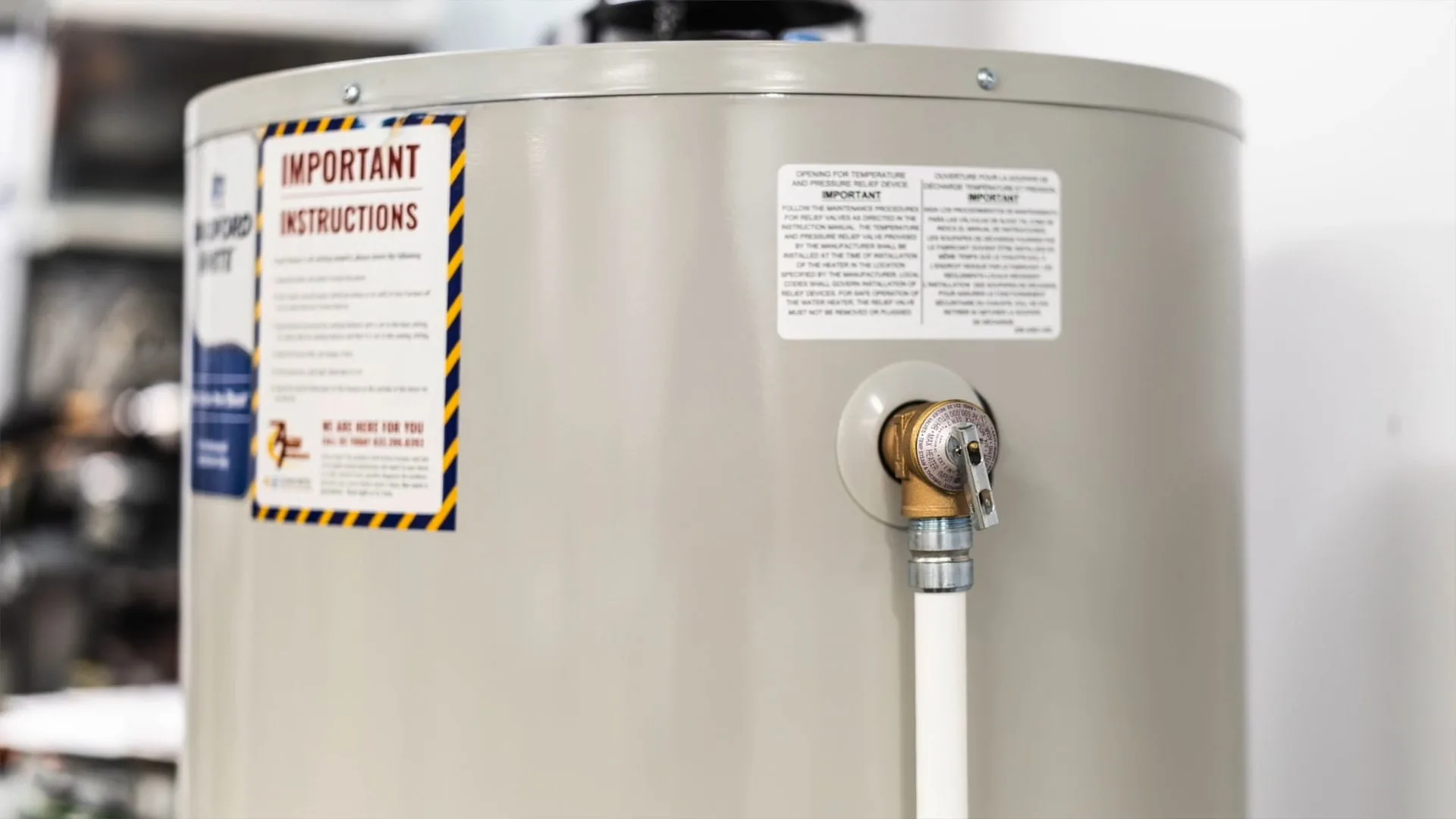
No hot water: gas heater or electric heater?
Which fuel you have changes what has probably failed. A plumber tests these parts, and most of them are not homeowner repairs.
| Gas water heater | Electric water heater | |
|---|---|---|
| Typical failures | A pilot or igniter that will not stay lit, a faulty thermocouple or gas control valve, a blocked vent | A burned-out heating element, a failed thermostat, a tripped high-limit switch |
| Signs | Cold water, a pilot flame that is out or yellow, soot near the vent | Lukewarm water, hot water that runs out fast, a breaker that keeps tripping |
| Safe checks | Look at the pilot window only if you smell no gas | Check that the breaker has not tripped, but do not open the panel or the heater covers |
| Call a plumber for | Anything involving gas flow, the vent or relighting that fails | Testing elements, thermostats and wiring |
If you smell gas at any point, the answer is the same: leave the house and call 911 or your gas utility's emergency number from outside. A gas smell is not a plumbing check.
Hot water at one tap but not the others
If only one faucet or shower lacks hot water, the heater is probably fine. The cartridge, valve or mixing part at that fixture is the likelier cause.
That is a fixture repair, not a heater repair, and a plumber can confirm it quickly with a description of which taps are affected. For that case, read about faucet and sink repair. If every tap runs cold or lukewarm, the heater is the place to look.
Repair the heater or replace it?
The decision turns on age, the part that failed and what a repair would cost against a new unit. Ask these questions before approving either path.
- How old is the heater? The serial number on the data plate usually encodes the date. Ask the plumber to read it.
- What exactly failed? An element or thermostat is a part. A corroded tank is the end of the tank.
- Has it needed repairs before? Repeated repairs on an older unit often point toward replacement.
- What would the repair cost against replacing it? Ask for both in writing.
- What changes if I replace it? Read about water heater replacement and tankless water heaters before you decide.
We do not quote a standard lifespan, because age and condition decide more than a calendar number does.
A heater that is cold because a part failed, and is otherwise sound, is usually worth repairing. A heater with a leaking shell is not. Between those two cases, the age and the repair history decide, and the plumber should explain which case you are in.
Do I need a permit for a water heater repair?
A simple repair, such as a thermostat or element, is generally a repair. Replacing the unit is the stage where permits come up. The city's permit page says permits are issued to the certified contractor, under the 2018 International Plumbing Code with Georgia amendments.
Ask the plumber whether your job is a repair or a replacement and who pulls the permit. Georgia plumbers are licensed through the Georgia Construction Industry Licensing Board, Division of Master and Journeyman Plumbers, so you can also ask for license details before work begins.
Questions to ask before the plumber opens the heater
- What is the diagnosis, and how did you confirm it?
- Is this repair expected to hold, or is the unit near the end of its life?
- Do any parts need ordering, and does the heater stay off in the meantime?
- Does the repair change anything about the vent, the gas connection or the wiring?
- If you rent, has the owner or property manager approved the work?
Tell us if the water is cold, lukewarm or on the floor
Tell us whether the water is cold, lukewarm or on the floor, and you will hear whether it needs a visit right away. What changes the price of a repair is explained on the plumbing cost page.