
Water damage cleanup in Union City, Fulton County
Union City, GA Water Damage Restoration and Cleanup After a Burst Pipe, Backup or Leaking Heater
Water has reached the floor, the carpet or the walls, and every hour it sits makes the damage larger. The first job is to stop the source. The second is to get standing water out and start drying before materials soak through.
Call Union City GA Plumbing Pros on the number below, describe where the water came from and how far it spread, and you will hear what to do right now.
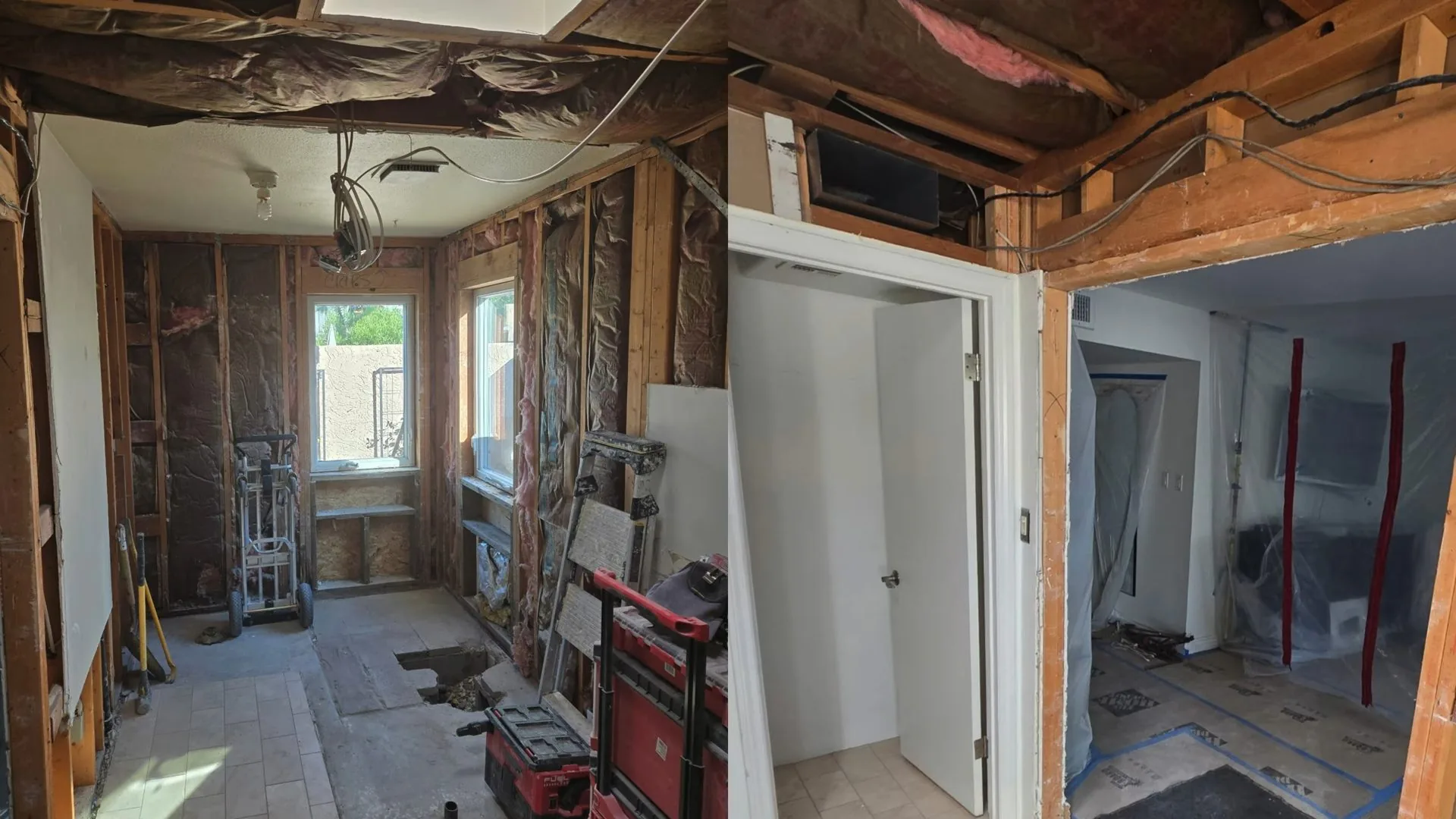
What do I do in the first hour after water gets into the house?
- Stop the source. Close the main shutoff valve, or the supply valve at a fixture or heater.
- Switch off power to wet areas at the breaker only if the panel and the floor in front of it are dry. If water is near outlets or the panel, stay clear and call.
- Move belongings, rugs and small furniture to a dry area, and lift upholstery off wet floors.
- Photograph the damage and the source before you start cleaning.
- Call, and say where the water came from, how long it ran and which rooms are wet.
Do not use a household vacuum on standing water, and do not walk through water that may be touching electrical equipment. If the water came from a sewer backup, treat it as contaminated.
What water damage cleanup includes and what it does not
This page is about getting water out and drying the structure. It covers extraction, removal of wet materials that cannot be dried, and drying. It does not cover rebuilding afterward, such as replacing flooring, drywall or cabinets, and it is not a mold service.
| Stage | What it involves | Who handles it |
|---|---|---|
| Stop the source | Close valves and repair the leak | A plumber. See fixing the burst pipe first |
| Extract standing water | Pumps and wet vacuums remove surface water | This page |
| Remove wet materials | Soaked padding, insulation or drywall that cannot dry in place | This page |
| Dry the structure | Air movers and dehumidifiers dry what remains | This page |
| Rebuild finishes | Flooring, drywall, paint and cabinets | A general contractor or finish trade |
Which materials can dry in place, and which must come out?
The answer depends on what was wet, for how long and with what kind of water. A technician checks moisture with a meter rather than by feel, because a surface can feel dry while the material behind it is still wet.
- Carpet and padding. Padding that is soaked often cannot dry in place and is removed. Carpet may be saved if it is lifted quickly.
- Drywall and insulation. Wet insulation holds water and is usually removed. Drywall can sometimes be dried if the water was clean and caught early.
- Hardwood and flooring. Wood moves as it dries, so ask how quickly the area was dried and what to watch for.
- Cabinets and trim. Check the toe-kick and the cabinet bases, where water collects.
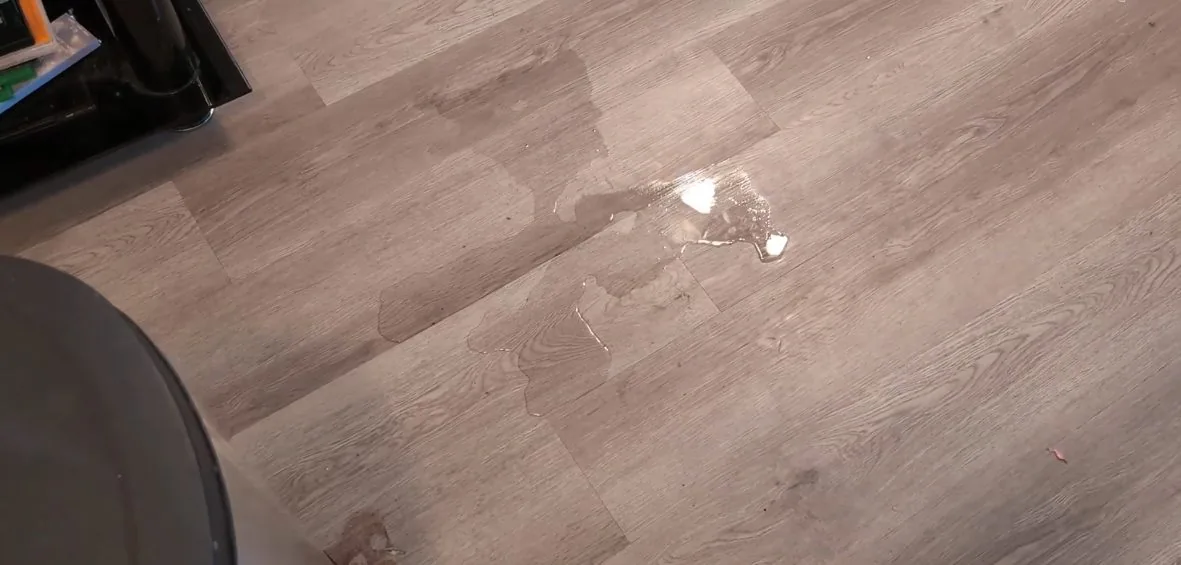
The water came from a sewer backup: what changes
Sewage is contaminated water. Porous materials it touches, such as carpet, padding and drywall, are usually removed, not dried. Keep children and pets out of the area and wear gloves and boots if you must enter.
Before cleanup starts, the backup itself needs to be stopped. The city's utility FAQ says the city checks the street main first, and then advises a plumber if the main is clear. Read about stopping a sewer backup at its source before the cleanup is scheduled.
The water came from a heater, a pipe or an appliance
Clean water is easier to deal with than sewage, but time matters. A leaking heater or a failed hose can flood a room in an hour. After the source is stopped, the same drying steps apply.
- Stop the water at the heater, the appliance or the main.
- Photograph the source and the wet areas.
- Remove standing water and lift wet rugs and furniture.
- Start drying as soon as you can. Do not wait to see if it dries on its own.
If a pipe in a wall or ceiling caused it, the leak needs to be found and repaired before drying is of any use. Read about finding where the water started if the source is not obvious.
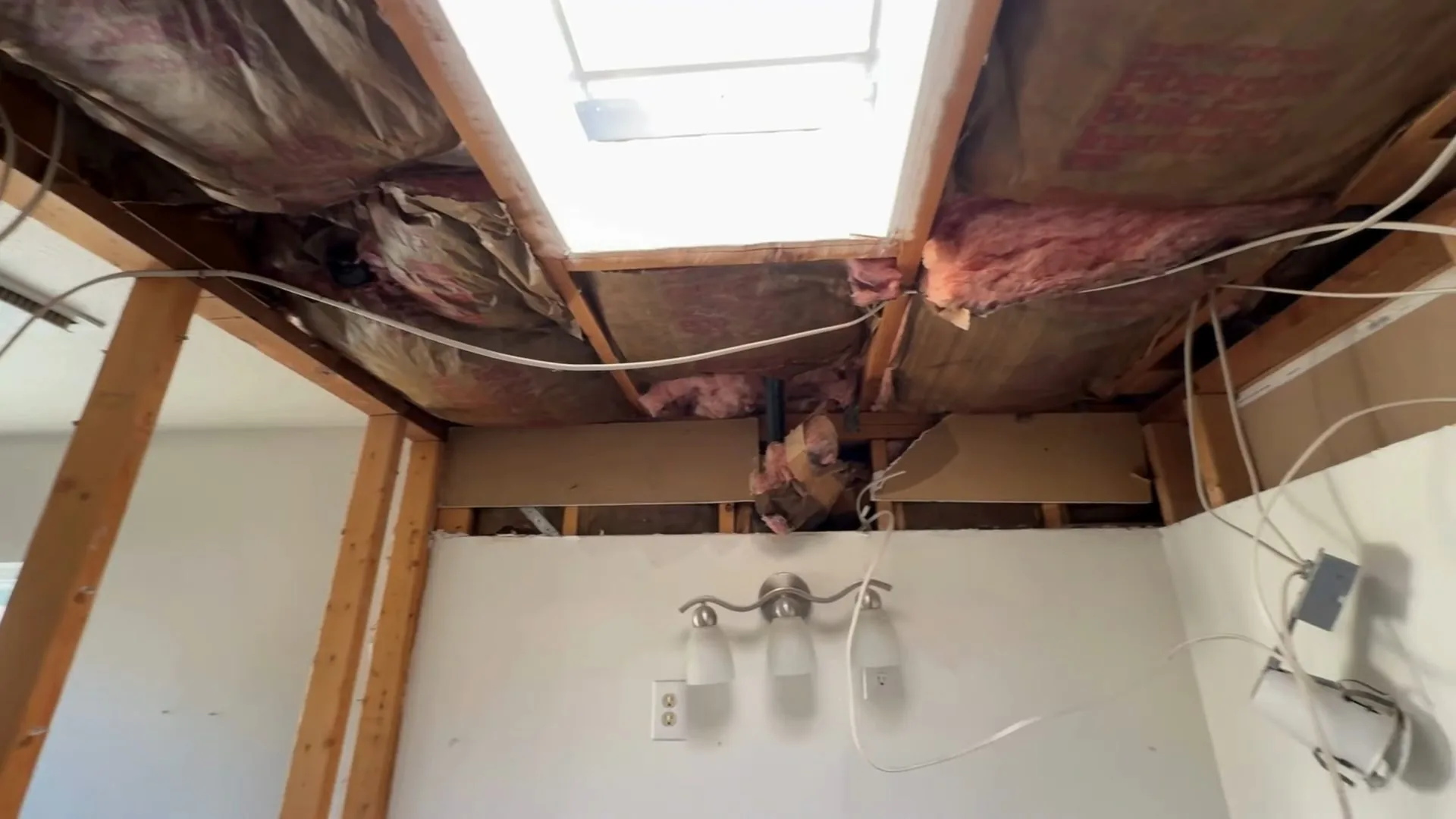
How drying works, and how you know it is done
Drying is measured, not guessed. Air movers push air across wet surfaces, dehumidifiers pull moisture from the air, and a moisture meter tracks how the materials respond day by day.
- Ask for starting moisture readings and readings on each visit.
- Ask what the drying goal is, and how it was chosen for each material.
- Ask how many days the equipment is expected to run, and what would extend it.
- Ask for a final reading in writing before the equipment leaves.
A room that feels dry is not necessarily dry. Ask for the readings, and keep them with the rest of your records.
Records to keep after water damage: photos, lists, invoices
- Photographs. Capture the source, the wet areas and the damaged items before cleanup.
- A list of damaged contents. Note what was affected and roughly what it cost.
- The plumber's findings. Keep the report on what failed and when.
- Invoices and notes. Keep every record of the work.
- Your insurer or landlord. Tell them early. Policies differ on what they cover, so ask before starting work.
Standing water outdoors, storms and floods
This page deals with water that came from a plumbing source inside the home. Storm flooding and water that enters from outside have different causes and different rules, and it is best to call and describe what happened before assuming we are the right call.
If you rent, tell the owner or property manager at once. They may need to approve the cleanup and notify their own insurer, and some leases require quick notice.
Tell us where the water came from and how far it spread
Describe the source and the wet rooms, and you will hear what to do before the water spreads further. If the leak is still running, start with stopping a burst pipe.