
Sewer line repair in Union City, Fulton County
Union City, GA Sewer Line Repair and Replacement for Backups, Roots and Collapsed Pipe
Sewage is coming up in the lowest drain, or the toilets gurgle and every fixture drains slowly. That is a plumbing emergency, and it raises a question homeowners often cannot answer: is the blockage in the city's main or in your own line?
Call Union City GA Plumbing Pros, describe what is coming up and where, and you will hear the order of calls to make and if an emergency plumber is needed now.
Sewage is coming up in the house: what to do in the next hour
- Stop using water. That means no flushing, no showers and no washing machine or dishwasher.
- Keep children and pets away from the affected area, and avoid touching the water.
- Ask the city to check the street main. The Utility Division lists (770) 306-6855 on weekdays, and its FAQ says the city checks the main first.
- If the main is clear, call a plumber. The city's technician advises calling a plumber when the blockage is on the private side.
- Photograph the affected area before cleanup, for your records.
Sewage in the house is a reason to call an emergency plumber, not a job to leave for later. Do not run water to see whether it clears.
Sewage can carry bacteria, so wear rubber gloves and boots if you must enter the area, wash your hands afterward and keep food and dishes out of the room. Porous items such as rugs and cardboard that were soaked usually cannot be cleaned and are better discarded.
Does the city maintain my sewer line, or do I?
Union City runs its own sewer system, and its published pages do not say who owns the lateral or the cleanout at a given address. We will not guess. The city's utility FAQ describes the sequence: the city checks the street main, and if the main is clear, it advises calling a plumber.
Call the Utility Division at (770) 306-6855 and ask where the city's responsibility ends at your address. The Public Works Department cannot perform work on private property, so repairs on your side are yours to arrange.
| What you see | Points to | First call |
|---|---|---|
| Backup in the lowest drain and slow drains throughout | A blockage in the main line or the street main | The city, to check the main, then a plumber |
| Only one drain backs up and others work | A branch line, not the sewer | A plumber. See drain cleaning and clog removal |
| A soggy, foul-smelling patch in the yard along the line | A break or open joint in the lateral | A plumber, after the city confirms the main is clear |
| Sewage backing up in neighbors' homes too | The street main | The city |
Why a camera inspection comes before any digging
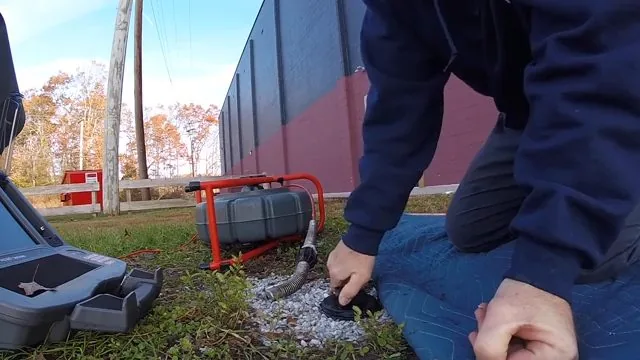
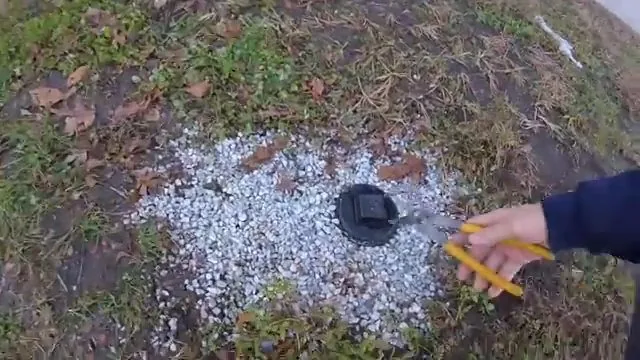
A sewer camera shows the pipe's actual condition: a break, a root mass, a joint that has dropped or a low spot where water sits. Without it, a repair is a guess about where to dig.
- A recording or still images. Ask to see what the camera found.
- A location. Ask how far from the cleanout or the house the problem sits.
- A cause. Ask whether it is roots, a break, a bellied section or buildup.
- A recommendation with options. Ask whether cleaning, spot repair or replacement fits.
Some older drain sections are cast iron, and cast iron can corrode from the inside. A camera shows that kind of wear without opening the ground.
Note whether the backup follows the weather. Atlanta's normal rainfall is about 50 inches a year, and in a humid summer a cracked or root-filled line may back up after a heavy storm and drain normally by the next day. That pattern points at the buried line rather than one fixture, and it is worth telling the camera operator before they start.
Snaking the main line is not the same as repairing it
Cleaning a main line with a cable clears the blockage. It does not mend a crack or straighten a bellied section. If the line backs up again within weeks or a few months, the cleaning only treated the symptom.
That is where a camera earns its cost, and where other pages help. For stubborn buildup, read about high-pressure jetting of sewer lines. For clogs confined to one fixture, clearing household drains is the right page.
What the repair options look like
| Option | Fits when | Ask about |
|---|---|---|
| Spot repair | One short section is cracked or offset | How far the excavation will extend and who restores the yard |
| Full lateral replacement | The line is damaged in several places or runs through failing material | The route, depth and the surfaces that will be disturbed |
| Cleaning plus monitoring | Roots or buildup, with a sound pipe | How soon to schedule another camera visit |
| No-dig lining | A damaged line with a path that makes digging costly | Whether the camera shows a pipe that can be lined. See trenchless pipe lining |
None of these is the right answer before the camera has shown the pipe. Ask for the findings and the recommendation in writing before approving work.
Before anyone digs: 811, permits and paperwork
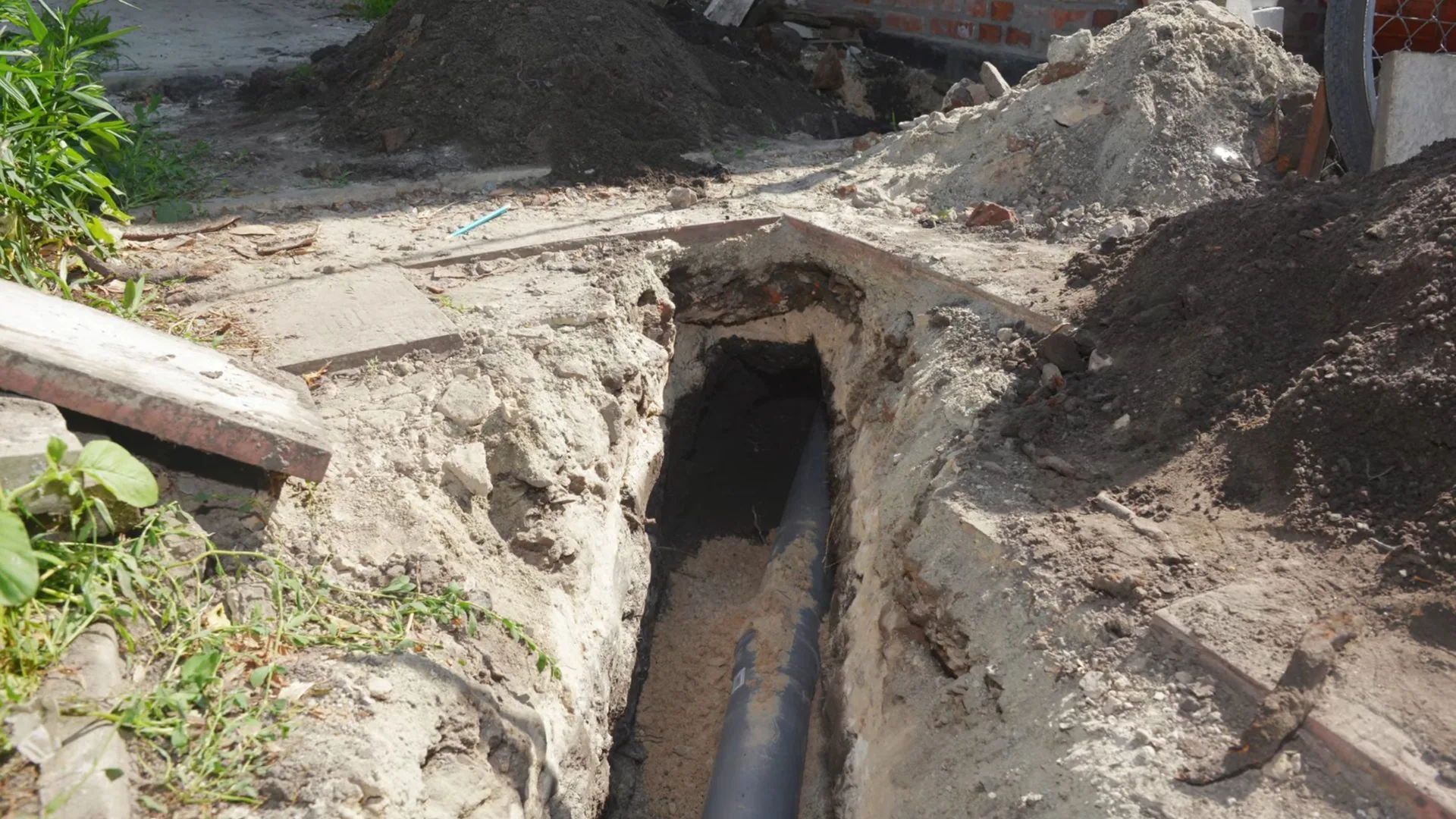
Georgia law requires notice before excavation. Georgia 811 asks for at least three business days' notice and sets an 18-inch tolerance zone around marked lines. Ask the contractor whether they are placing the 811 ticket, and do not let digging start before the lines are marked.
The city's permit page says permits are issued to the certified contractor, under the 2018 International Plumbing Code with Georgia amendments. Ask whether your repair needs a permit and which inspection follows. Georgia plumbers are licensed through the Georgia Construction Industry Licensing Board, so ask for license details before work begins.
Renters, shared lines and who approves the work
If you rent, tell the owner or property manager right away. They are often the ones who authorize a sewer repair. If your home shares a line with a neighbor or sits in an association, ask who is responsible for the shared section before the plumber starts.
Once the line is clear and repaired, sewage that reached floors or walls needs prompt cleanup. The drying side of that work is on the cleanup after water reaches floors and walls page.
Call with the backed-up drains and what the city checked
Describe which drains are affected and whether the city has checked the main, and you will hear the next step. What moves the price of a sewer repair is explained on the sewer repair pricing factors page.