
Toilet repair in Union City, Fulton County
Union City, GA Clogged Toilet Repair for Toilets That Overflow, Run On or Will Not Flush
The bowl is filling toward the rim, the toilet will not flush, or the tank keeps running long after the flush ended. A clog can be cleared in minutes when you act early, and a running toilet quietly raises the water bill.
Call Union City GA Plumbing Pros, describe what the toilet is doing and whether other drains are slow, and you will hear what to try first and whether it needs a visit.
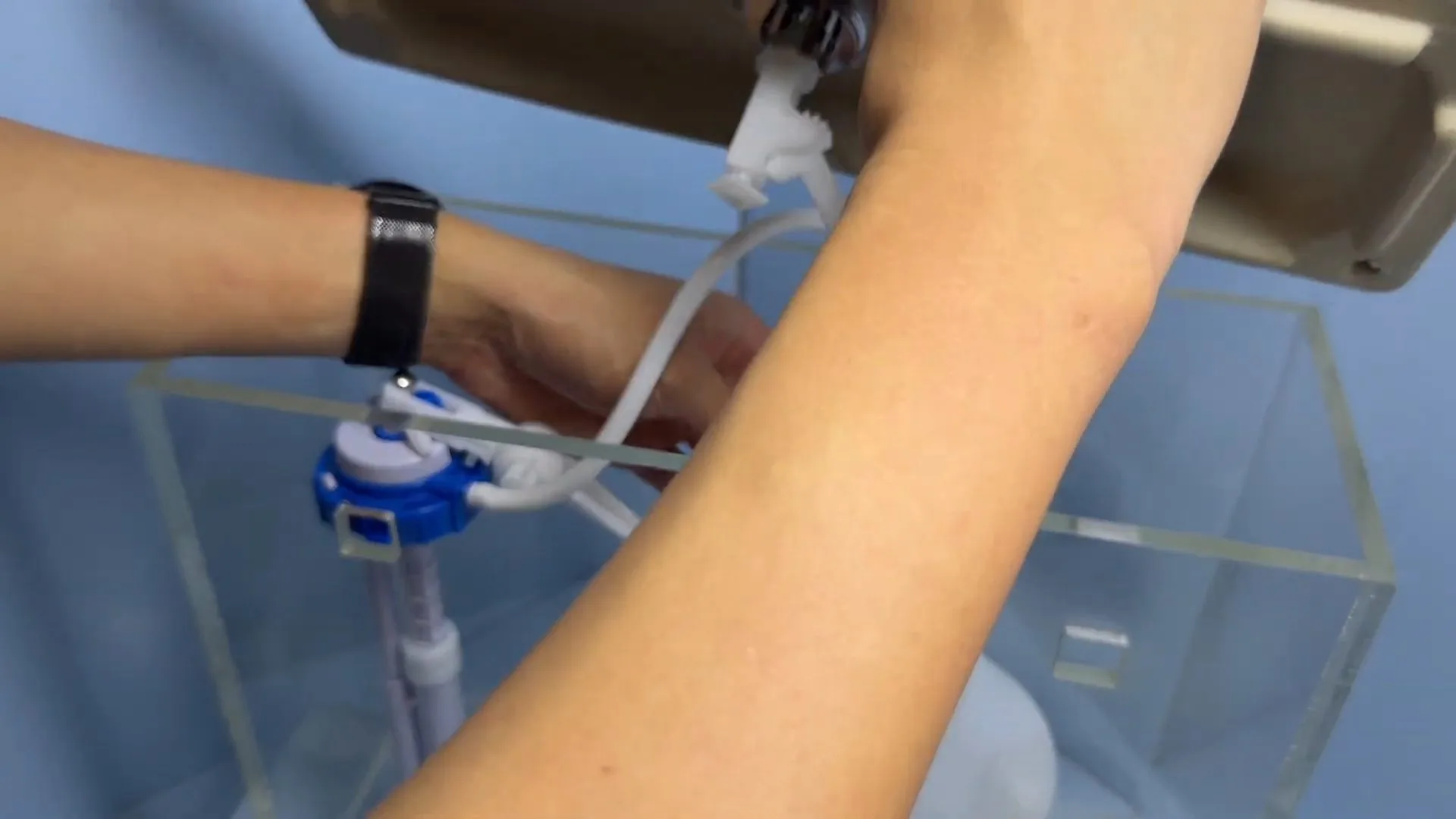
The bowl is rising: what to do before it overflows
- Do not flush again. A second flush adds water to a bowl that is already full.
- Lift the tank lid and push the flapper down, or close the supply valve at the wall behind the toilet. Turn it clockwise.
- Put on rubber gloves and lay old towels around the base.
- Use a flange plunger, which has a rubber extension on the cup, and seat it fully over the drain opening.
- Push and pull with steady strokes for about twenty seconds, then watch the water level.
Wipes, paper towels, diapers and toys cause many stubborn toilet clogs. They do not break down like toilet paper, so a plunger may not move them. If two rounds of plunging do not work, stop and call rather than forcing it.
Is it the toilet, or is the drain behind it blocked?
A toilet that clogs once is usually a toilet problem. A toilet that clogs repeatedly, or one that clogs along with other fixtures, points to the line behind it.
| What you see | What it points to | What to do |
|---|---|---|
| Only this toilet is slow, and it plunges clear | A clog in the toilet's own trap | Plunge, then watch for a repeat |
| A second toilet or tub gurgles when this one flushes | A restriction in the branch or main drain | Stop using the fixtures and call. See clearing blocked household drains |
| Sewage or gray water appears in the lowest drain | A blocked main line or street sewer | Stop water use and read what a sewer backup means |
| It clears, then clogs again within days | Something lodged past the trap, or a line problem | Ask for a camera inspection rather than another plunge |
If sewage is rising in the house, the city's utility FAQ says the city checks the street main first. The Utility Division lists (770) 306-6855 on weekdays.
My toilet runs on its own. Where do I look?
A toilet that keeps running, or that refills by itself every so often, is wasting water. The causes are usually inside the tank, and most are inexpensive parts.
- A worn flapper. The rubber seal at the bottom of the tank no longer closes, so water leaks into the bowl.
- A fill valve that does not shut off. Water keeps entering the tank and spills into the overflow tube.
- A float set too high. The tank fills past the overflow tube.
- A chain caught under the flapper. The flapper cannot seat.
To test for a silent leak, add a few drops of food coloring to the tank, wait fifteen minutes without flushing and look at the bowl. Color in the bowl means the flapper is leaking. A moving water meter with every fixture off is a bigger signal, covered in finding hidden leaks behind a high bill.
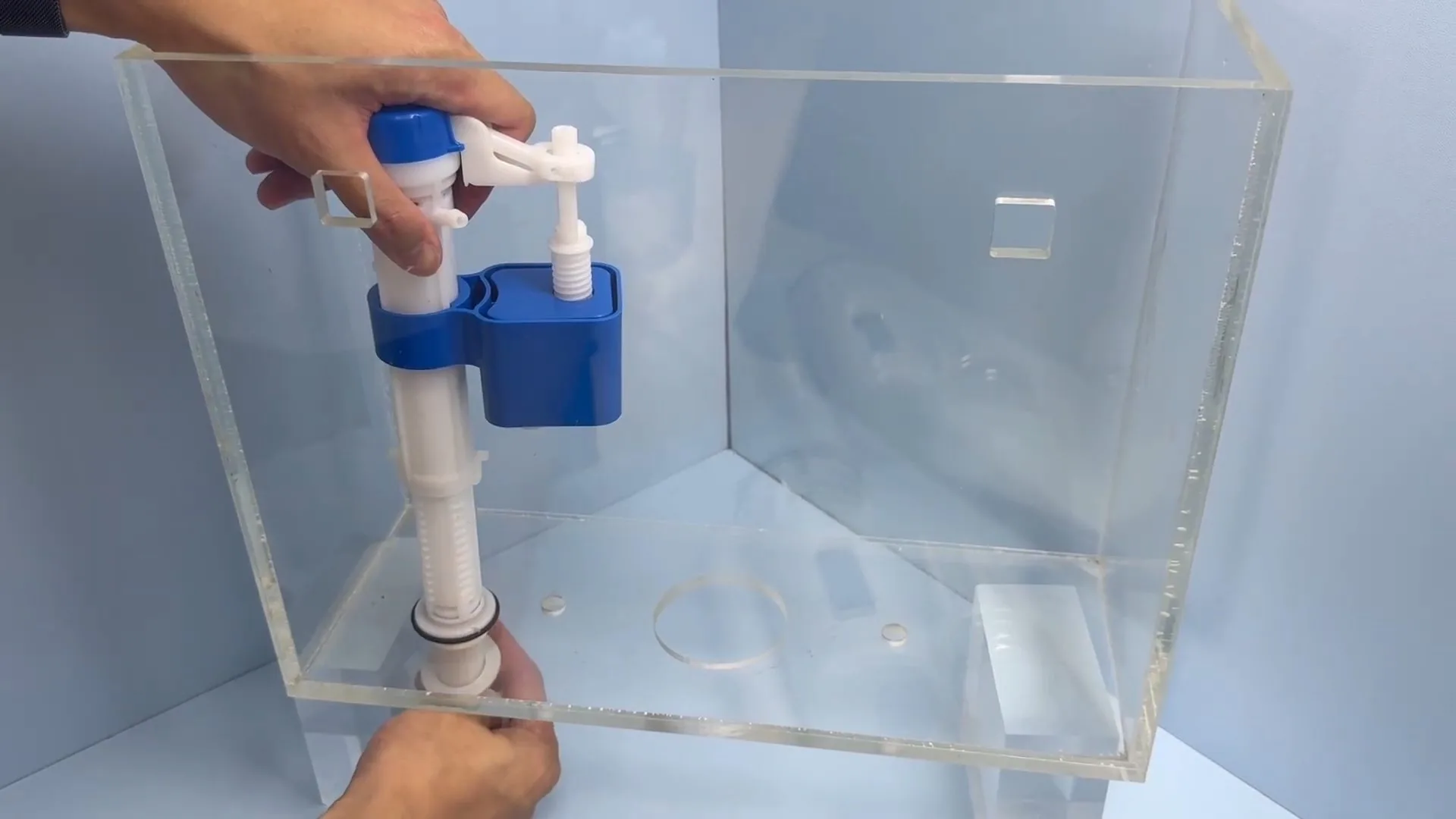
A weak flush or a tank that refills slowly
A toilet that flushes weakly, swirls half-heartedly or leaves paper behind may have a partial clog, or its rim holes may be coated with mineral buildup. A tank that takes a long time to refill points to a fill valve that is clogged or worn.
- Plunge once to rule out a partial clog.
- Check that the water in the tank reaches the fill line marked inside it.
- Look at the rim holes under the bowl edge. If they are crusted, a plumber can clear them.
- If the tank refills slowly or noisily, the fill valve is the likely part.
None of these is urgent, but a toilet that is half working tends to get worse. Book it before it stops entirely.
Rocking, leaking at the base or a loose seat
A toilet that rocks, or leaves water around its base after a flush, is not sealed to the floor. The wax ring under the toilet or the closet bolts may have failed.
Do not keep using it. Water at the base can seep into the subfloor, and the damage stays out of sight. Close the supply valve and call. A plumber will lift the toilet, replace the wax ring and check the flange it sits on.
Replacing or moving a toilet: what to decide
A like-for-like replacement is a small job. A different style or a new location changes the work. The decisions are about fit, the drain and the finish around it.
- Rough-in size. Measure from the wall to the center of the floor flange. Most toilets fit a standard distance, and a mismatch means a different model.
- Height and shape. Round, elongated and taller bowls differ in comfort and fit.
- Flush type. Ask about dual-flush and water-saving models, and what they need.
- Moving the toilet. Relocating means moving the drain, which is a larger job that can involve opening the floor.
- Permit. The city's permit page says permits are issued to the certified contractor. Ask whether moving a toilet needs one.
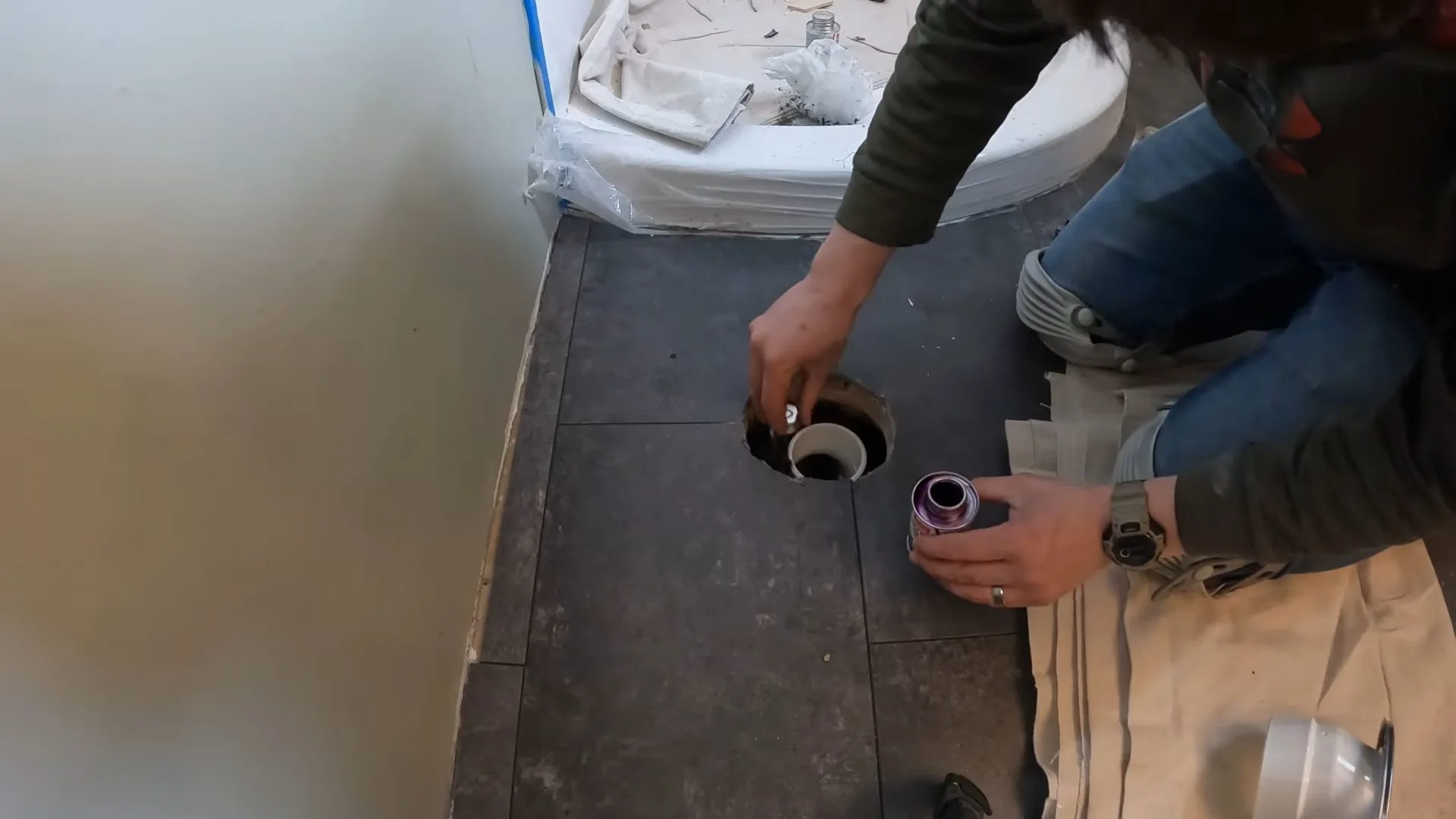
Questions to ask before the plumber starts
- What did you find: a clog, a worn part or a seal problem?
- What is included: parts, haul-away of an old toilet and the supply line?
- Did you test for a second problem, such as a loose flange or a slow drain?
- If you rent, has the owner or property manager approved the work?
Georgia plumbers are licensed through the Georgia Construction Industry Licensing Board, so you can ask for license details on any larger job.
Tell us what the toilet is doing
Describe the clog, the running or the leak and you will hear what to try and when to book a visit. What changes the price of a toilet repair is explained on the toilet repair pricing factors page.