
Burst pipe repair in Union City, Fulton County
Union City, GA Burst and Broken Pipe Repair When Water Will Not Stop Running
Water is spraying from a wall, pouring through a ceiling or running across the floor, and it is not slowing down. A burst pipe is an emergency because every minute adds to the damage. The first thing that matters is getting the water stopped.
Call Union City GA Plumbing Pros as soon as the water is off or if you cannot shut it off, and you will hear what to do while an emergency plumber is on the way.
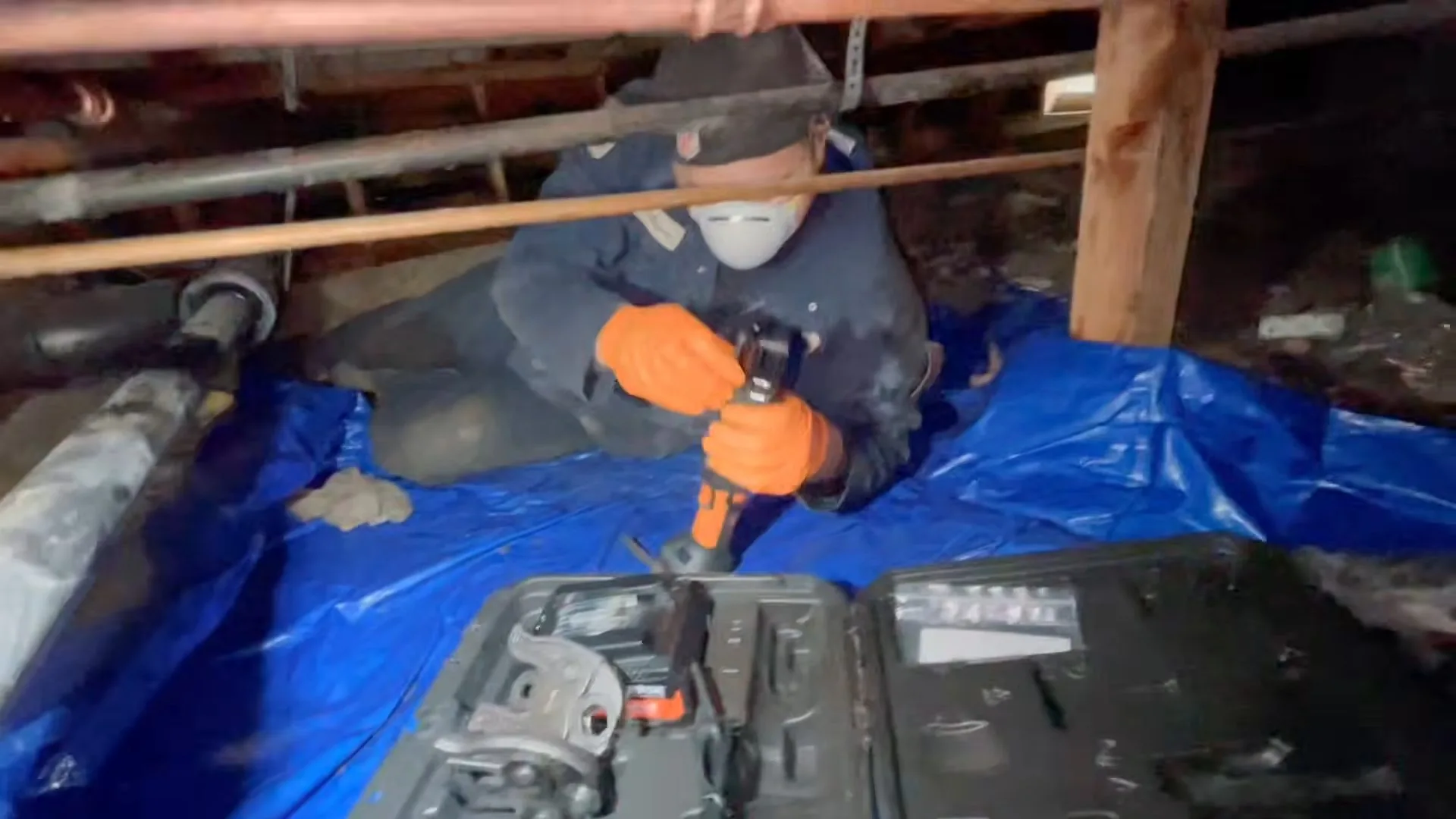
What should I do when a pipe bursts?
- Close the main shutoff valve inside the house, usually where the water line enters near the water heater, a utility closet or the garage wall. Turn it clockwise until it stops.
- Open the lowest faucet in the house to drain the lines and relieve pressure, and open one upstairs faucet to let air in.
- Switch off power at the breaker only if the panel and the floor in front of it are dry. If water is near the panel or outlets, stay clear and call.
- Move belongings out of the wet area and photograph the damage before you clean up.
- Call and say where the break is, how much water is coming out and whether the main valve stopped it.
If the shutoff valve will not turn, or the water keeps coming after you close it, the break may be on the street side of your valve. That changes who to call first, and the next section covers it.
Is a break between the meter and my house the city's problem or mine?
The City of Union City runs its own water system. Its utility FAQ says that if the line from the meter to the house breaks and you cannot shut the water off, you call Public Works to stop it at the meter. Then you call a plumber for the repair.
The same FAQ says the Public Works Department cannot perform work on private property. So the order is simple: the city stops the water, and your plumber fixes the line. The Utility Division lists (770) 306-6855 for weekday business hours, and the city's Water and Sewer page has the current contact details.
| What is happening | Who stops the water | Who repairs it |
|---|---|---|
| Pipe burst inside the house, main valve works | You, at the main valve | A plumber |
| Main valve will not close or leaks when closed | The city, at the meter, or a plumber if the valve itself failed | A plumber for the valve and the pipe |
| Break in the yard between the meter and the house | The city, at the meter | A plumber, for the private line |
| Water gushing at or before the meter | The city | The city, if the break is on its side |
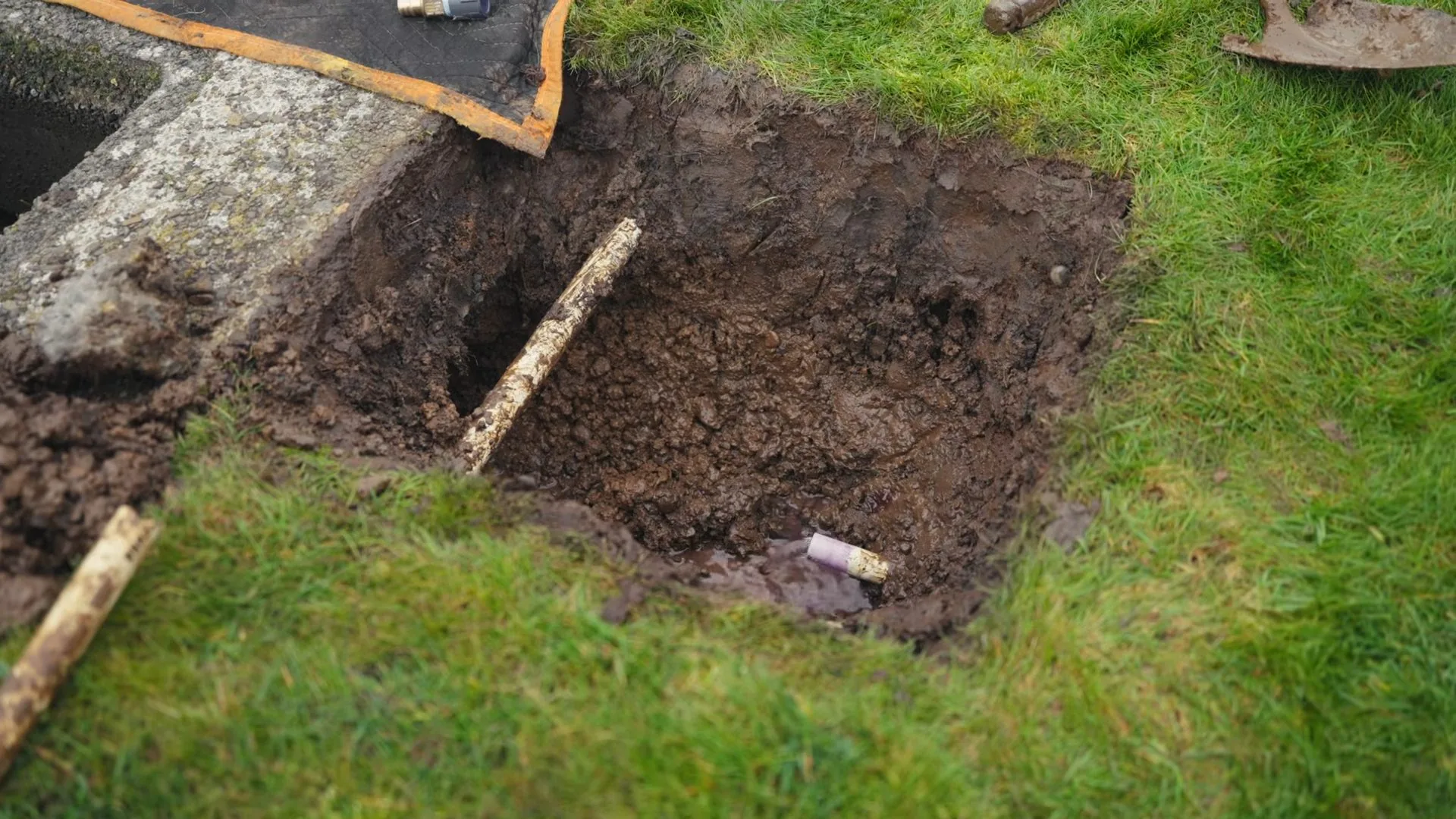
A frozen pipe: thaw it safely or call
A pipe that has stopped running in cold weather may be frozen, and a frozen pipe can split as it thaws. We do not have a verified local record of how often Union City pipes freeze, so this section is about what to do if it happens, not a prediction.
- Keep the faucet open so water can move as the ice melts, and shut off the main valve if you see a crack or a wet spot.
- Warm the pipe gradually with a hair dryer or warm towels. Never use a torch, a space heater left unattended or an open flame.
- Open the cabinet doors under sinks on exterior walls so warm air reaches the pipes.
- Call a plumber if the pipe is bulging, if you cannot find the frozen section or if water appears after it thaws.
A pipe that has split often shows no leak until the ice melts. If you thaw a pipe, watch the area for leaks for the next hour.
How much water damage should I deal with right away?
The first hour matters more than the first week. Stopping the water, moving belongings and photographing the damage come before any drying. Soaked insulation, drywall and carpet stay wet for a long time if nobody removes them.
Full drying and removal of wet materials are covered on the drying out after a burst pipe page. This page covers stopping the break and repairing the pipe. Do both quickly, but in that order.
Repair options once the water is off
| Situation | Typical repair | Ask about |
|---|---|---|
| A split in one straight section | Cut out the damaged section and replace it | Whether the new pipe and fittings match the old material |
| A joint or fitting that failed | Replace the fitting or redo the joint | Why the joint failed, and whether others nearby are the same |
| Several breaks along one run | Replace the run | Whether the whole line should be replaced. See replacing the pipe run |
| A pipe inside a wall or ceiling | Open the finish, repair, test and close | Who patches and paints the opening |
Ask for a pressure test before anyone closes the wall. It takes a few minutes and confirms that the repair holds under normal pressure.
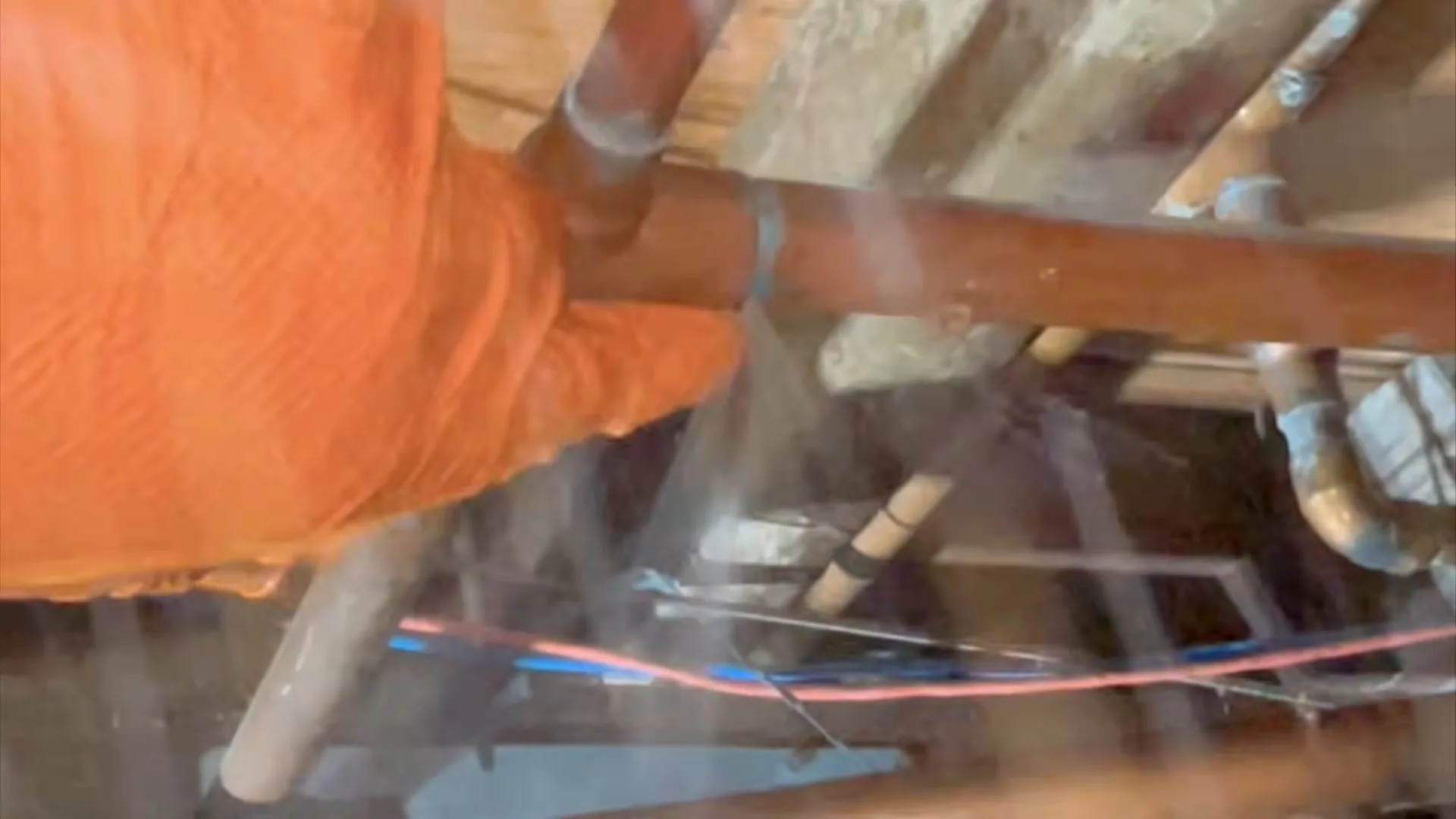
What to ask the plumber before they start
- What failed, and why? A cause matters more than a patch.
- What will be opened? Ask which wall, ceiling or floor, and who restores it.
- Is a permit needed? The city's permit page says permits are issued to the certified contractor. Ask whether your repair needs one.
- Which license covers the work? Georgia plumbers are licensed through the Georgia Construction Industry Licensing Board. Ask for license details.
- What is the plan if more breaks show up? Ask how you will be told, and what would change the repair.
Slow drips and rising bills: when it is not a burst pipe
Not every wet wall is a burst pipe. A slow drip that grew over weeks, a stain that spread over months or a bill that climbed with no wet floor points to a slow leak. That is a different problem with a different first step, covered in detecting a slow or hidden leak.
If you rent, tell the owner or property manager as soon as the water is off. A burst pipe is often their emergency as well, and they may need to approve the repair or arrange the cleanup.
Keep photographs, the plumber's findings and every invoice. If you plan to make an insurance claim, that record is the first thing the insurer will ask for.
Tell us where the water is and how fast it is coming
Describe the break and whether the main valve stopped it, and you will hear what to do next. What drives the price of a burst pipe repair is explained on the burst pipe pricing factors page.