Hydro jetting in Union City, Fulton County
Union City, GA Hydro Jetting Services for Clogs That Come Back After Snaking
The drain was snaked and ran fine for a few weeks, then clogged again. A cable can poke a hole through a blockage without cleaning the pipe wall, so the same buildup narrows the pipe again.
Call Union City GA Plumbing Pros, tell us how often the clog returns and which drains are affected, and you will hear whether jetting makes sense or whether something else is going on.
Why does the clog keep coming back after snaking?
A drain cable pushes through the middle of a blockage. It clears a channel, but grease, scale and root growth on the pipe wall stay in place. Water flows again until the buildup closes in, and the clog returns.
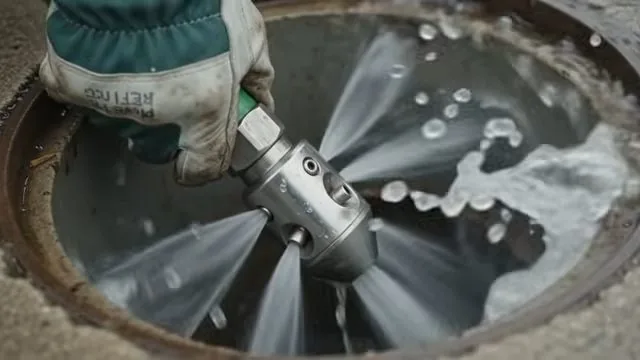
Hydro jetting uses a hose with high-pressure water that scours the wall of the pipe all the way around. The goal is to remove the buildup, not just open a path through it.
| Cause of repeat clogs | What snaking does | What jetting does |
|---|---|---|
| Grease coating the pipe wall | Pokes a hole through it | Strips it from the wall |
| Mineral scale or buildup | Leaves most of it behind | Scours it off |
| Fine roots at a joint | Cuts the center and leaves the rest | Clears roots from the pipe interior, though they can regrow |
| A collapsed or broken pipe | Hangs up or fails | Does not fix it, and may not be safe to try |
A camera first: when jetting is a bad idea
Jetting is a cleaning method, not a repair. If the pipe is cracked, bellied or offset, high-pressure water can make the damage worse or push debris into a worse place. A camera inspection before jetting shows whether the pipe can take it.
Ask the plumber for the camera findings and for a clear reason jetting fits. If the camera shows a broken section, the next step is repair, and sewer line damage and repair explains the options.
Which of your drains might need jetting?
- A kitchen line that clogs again within weeks. Grease is the usual cause.
- A main line that backs up now and then. Roots or scale at joints are common.
- A drain that slows gradually over months. Buildup narrows the pipe without a sudden clog.
- A line that was cleared once and has returned. The first clearing left the wall coated.
A single slow sink with no history is usually a job for basic standard drain cleaning. Jetting is for repeat problems, not first-time ones.
Kitchen lines: what changes so grease does not come back
Jetting removes grease from the pipe, but the habit that put it there decides how long the line stays clear. Cooking fat poured down a sink cools, sticks to the wall and traps food.
- Wipe pans and plates with a paper towel before washing.
- Pour cooled fat into a can and put it in the trash.
- Use a sink strainer for food scraps.
- Run hot water for a short while after washing greasy dishes.
None of these will clear a line that is already coated. They keep a freshly cleaned line from coating again.
Roots in the line: what jetting can and cannot do
Roots enter a sewer line at cracks and open joints, looking for moisture. Jetting clears the roots from inside the pipe, but the opening they came through is still there. Without a repair, they can grow back.
If the camera shows roots entering at one joint, ask whether a spot repair or a liner would seal it. If the roots keep returning, the question is not how often to jet but whether to fix the entry.
What jetting does not fix
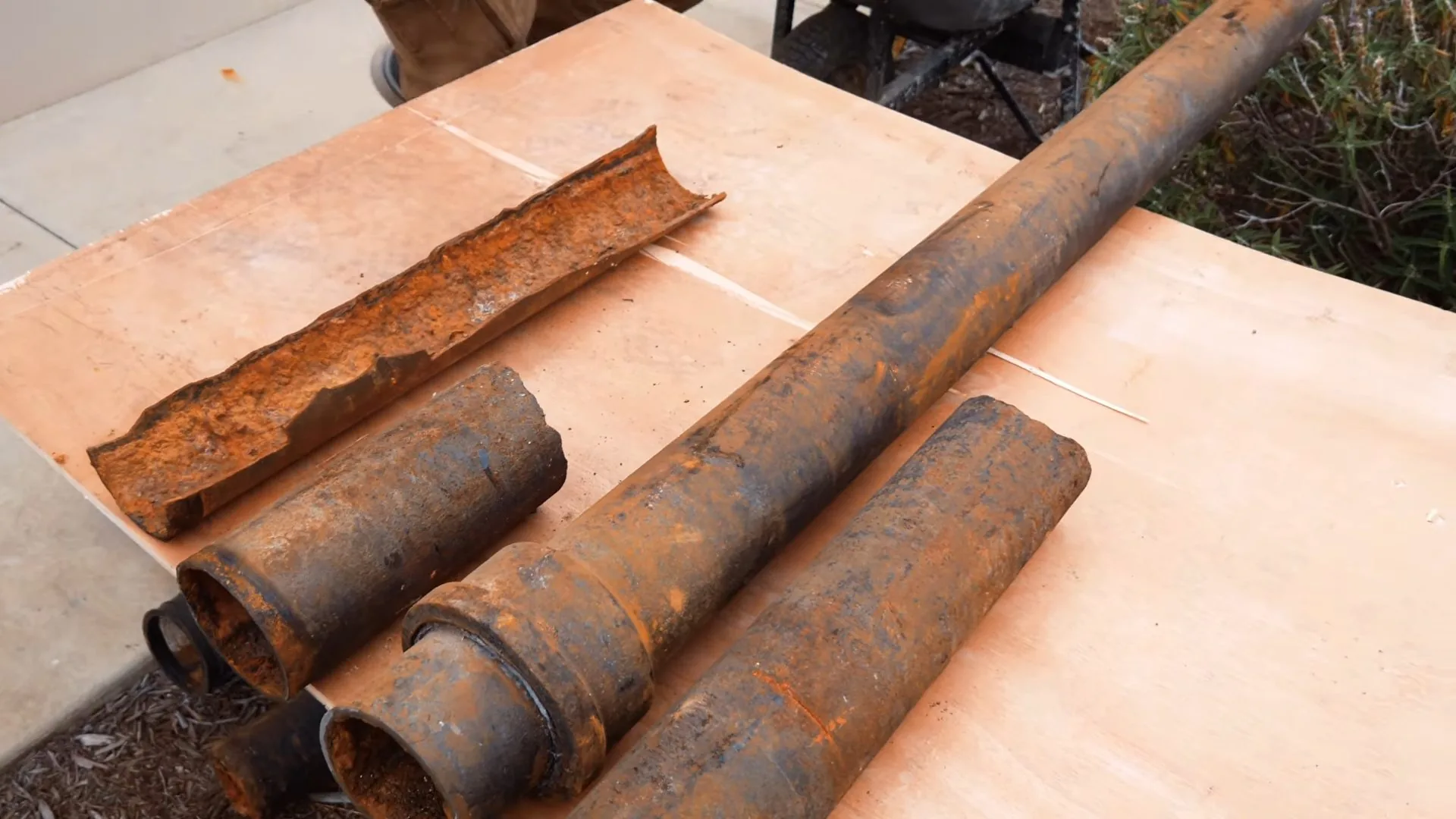
Jetting cannot repair a crack, a belly or a collapsed section. It will not replace a pipe that has failed, and it will not stop roots from returning if the pipe joint stays open. It cleans, and the pipe itself stays as it was.
That is why a recording of the pipe before and after matters. A clean pipe that still has a break is still a damaged pipe. If the after-jetting images show damage, ask what the repair options are and read about lining a damaged pipe before agreeing to dig.
How a jetting visit usually runs
- The plumber finds the cleanout or opens a fixture to reach the line, and runs a camera if one is planned.
- A jetting hose with a nozzle is fed into the pipe, and water pressure pulls it forward while the spray scours the wall.
- The plumber works the hose back and forth over the problem stretch, then pulls it out while flushing debris downstream.
- A second camera pass, if included, shows the wall and any damage that the cleaning revealed.
Clear the area around the cleanout before the visit, and keep water use light while the work is under way. If the line is not well supported or access is poor, say so on the call. It can change whether jetting is a good idea.
Hydro jetting questions: hose entry, camera check and limits
- Where will the hose enter? Ask about the cleanout location, and whether one exists.
- What will you check first? Ask for a camera inspection before and, if possible, after.
- What are the limits? Ask which pipe materials and conditions rule jetting out.
- Who is responsible for damage? Ask what is covered if a weak line fails under pressure.
- How often might it need repeating? Ask for a realistic interval, and what would change it.
A backup in the house: stop and call
If sewage is coming up in the house, stop using water and call. Do not wait to book a jetting visit. The city's utility FAQ says the city checks the street main first and advises calling a plumber if the main is clear. The Utility Division lists (770) 306-6855 for weekday business hours.
If you rent, tell the owner or property manager about repeat clogs. Repeated cleaning is often the first sign that the line needs a repair they will have to approve.
Tell us how often the clog returns
Describe the drain and what has already been tried, and you will hear whether jetting fits. Ranges for common jobs are listed on the drain and jetting cost page.