
Trenchless sewer repair in Union City, Fulton County
Union City, GA Trenchless Pipe Lining and Relining for Damaged Sewer Lines Under Yards and Driveways
The camera shows a cracked or root-damaged sewer line, and it runs under a driveway, a mature tree or a walkway you do not want torn up. The usual answer is to dig. Trenchless repair is the alternative, and it only works in the right conditions.
Call Union City GA Plumbing Pros, describe where the line runs and what has been found, and you will hear whether lining is worth asking about.
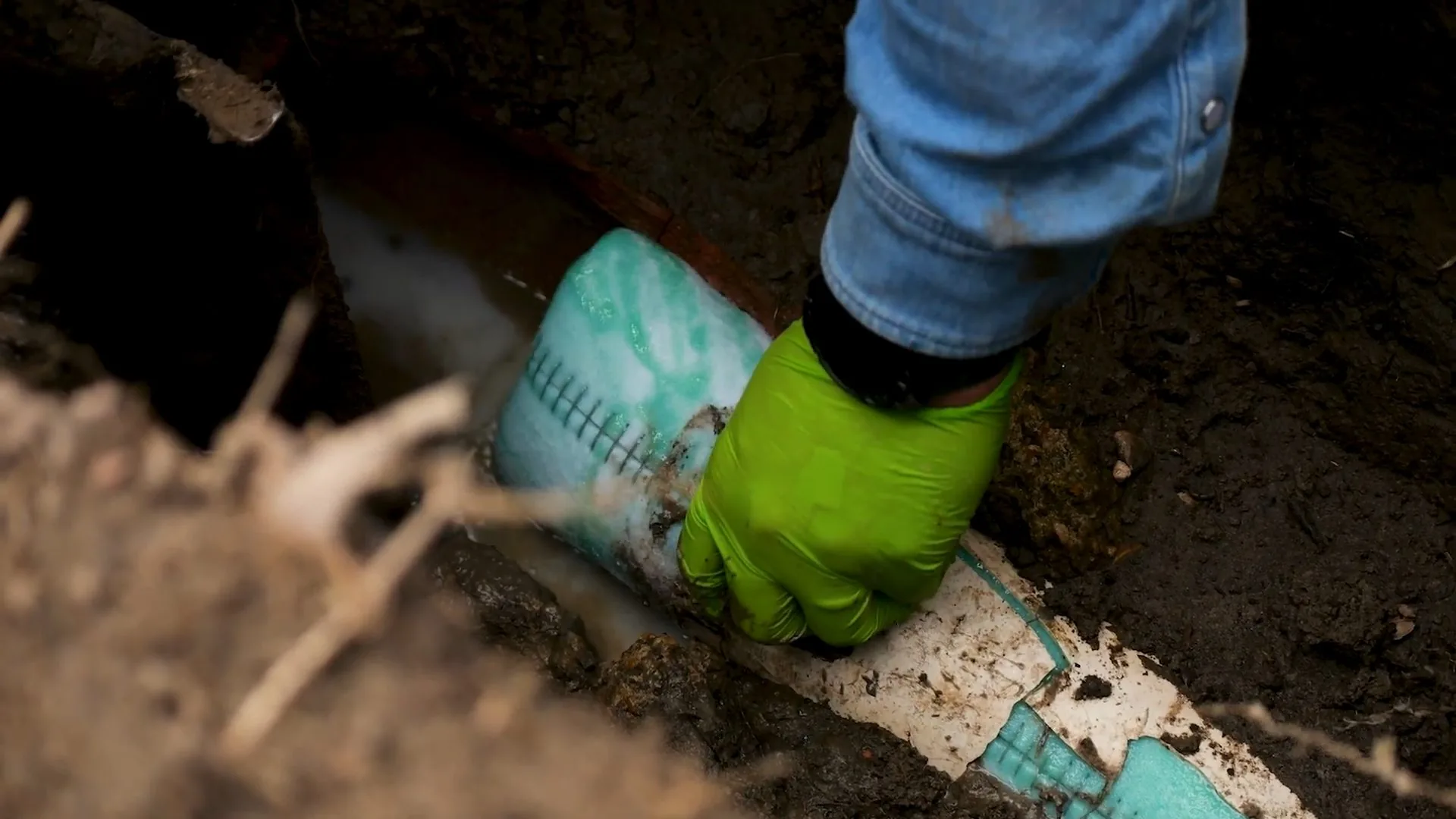
Trenchless or open trench: how do I choose?
Both methods repair the same problem. They differ in how much ground is disturbed and what each can do about the pipe's condition. The choice depends on what the camera shows, not on a preference.
| Question | Trenchless lining | Open trench |
|---|---|---|
| How much digging? | One or two small access holes | A trench along the full length of the repair |
| What happens to the old pipe? | It stays in place with a new liner inside | It is removed and replaced |
| Which damage fits? | Cracks, small holes, open joints, light root intrusion | Collapsed, badly offset or crushed pipe |
| What gets disturbed? | Less landscaping, driveway or hardscape | Whatever lies over the line |
| What is the main limit? | The pipe must be open enough to line | The surface above must be restored |
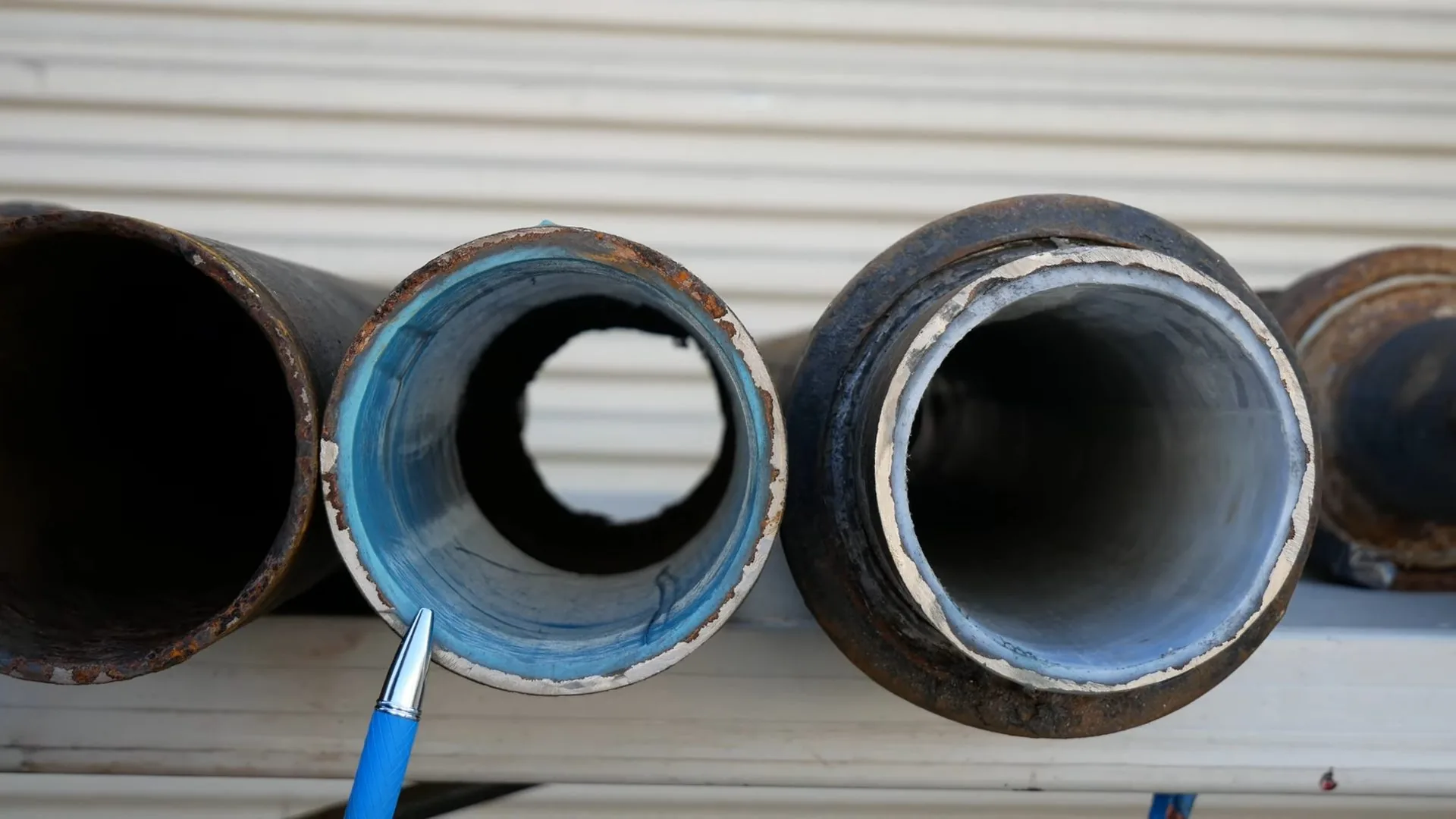
A liner is a coating system cured inside the pipe. It needs a path to travel, so a line that is collapsed or shifted too far cannot be lined. Ask the plumber to tell you why your pipe does or does not qualify.
Start with a camera and a cleaning
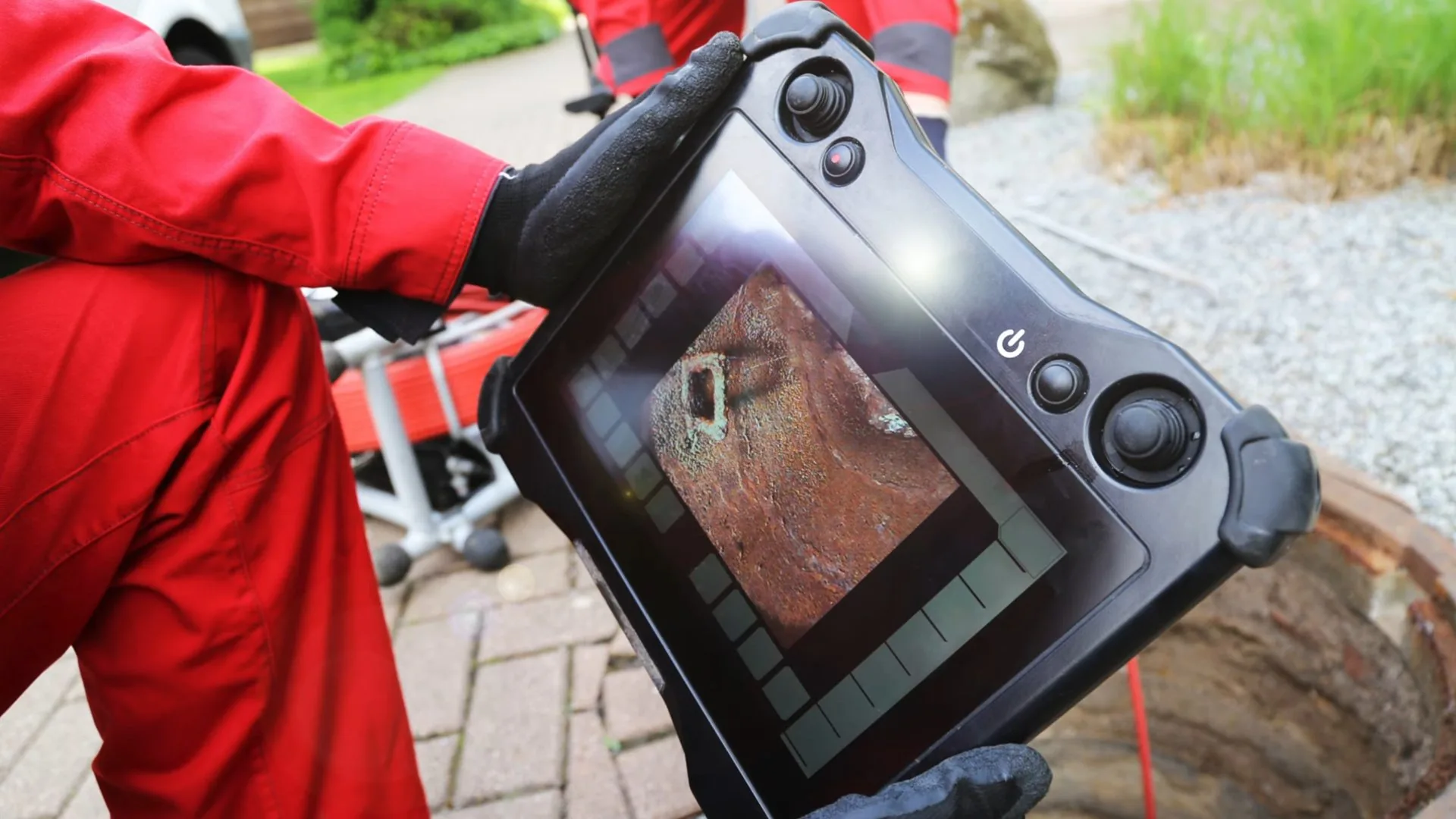
Lining begins with a camera inspection, and the pipe must be clean before a liner goes in. A line full of roots or scale needs to be cleared first. That is where cleaning before lining comes in.
- A recording of the damaged section. Ask to see what the camera found.
- A location. Ask how far from the cleanout or house the damage sits.
- A reason lining fits. Ask what makes the pipe suitable.
- A reason digging might be better. Ask when the plumber would recommend an open trench instead.
What a lining job looks like on site
- The plumber inspects the pipe with a camera and records the damage.
- The pipe is cleaned so the liner can bond to the wall.
- A resin-soaked liner is pulled or inverted into the pipe.
- The liner is cured so it hardens against the old pipe wall.
- A second camera pass confirms that the liner is in place and the pipe is open.
Ask what the liner is made of and how its cure is checked. Ask whether service connections to the line, such as a branch from the house, are cut open and checked afterward.
Where trenchless and slab rerouting overlap
The same no-dig idea shows up in leak work under a house. Instead of breaking through a slab floor, a plumber may reroute a failing water line through walls or an attic. That is a repair of supply lines, not sewer lines, and it is discussed on the rerouting under a slab page.
The methods are related but not interchangeable. Lining repairs a sewer pipe from the inside. Rerouting abandons a supply line and runs a new one. Ask which one your plumber is proposing and why.
What lining does not fix
A liner follows the shape of the pipe it goes into. It cannot straighten a pipe that has dropped or shifted, and it cannot lift a low spot where water sits. A pipe with a belly will still hold water after lining.
- A collapsed section that the camera cannot pass through.
- A pipe offset at a joint by more than a liner can bridge.
- A line with a low spot that holds standing water.
- A pipe so degraded that it cannot hold the liner against the wall.
In those cases the answer is a spot repair or a replacement. A plumber who recommends lining should also tell you which of these conditions the camera ruled out.
Comparing a lining quote with a digging quote
The cost of digging includes what happens above the pipe. Lining shifts some of that cost into the cleaning, the liner and the second camera pass. Compare the two on the same footing.
- What surface is restored? Ask what lies over the line: lawn, concrete, pavers or a driveway.
- How many access holes? Ask where they go and who restores them.
- What is covered if the liner fails to bond? Ask what the plan is and in writing.
- How is the finished line verified? Ask for the final camera recording.
Georgia 811 notice and permits before any access hole
Even a no-dig job may need small access holes. Georgia 811 asks for at least three business days' notice before excavation and sets an 18-inch tolerance zone around marked lines. Ask who is placing the ticket.
The city's permit page says permits are issued to the certified contractor, under the 2018 International Plumbing Code with Georgia amendments. Ask whether a lining job needs a permit and what inspection follows. Georgia plumbers are licensed through the Georgia Construction Industry Licensing Board.
Who owns the pipe, and who to ask
Union City's published pages do not say who owns the sewer lateral or the cleanout at a given address. Call the Utility Division at (770) 306-6855 and ask where the city's responsibility ends at yours. The city's FAQ says it checks the street main first when sewage backs up.
If you rent, or your home shares a line with a neighbor or sits in an association, tell the owner or ask who is responsible before any repair is approved. For the traditional approach, read about traditional sewer repair.
Tell us what the camera found
Describe the damage and where the line runs, and you will hear whether lining is worth pricing. Ranges for sewer work are listed on the trenchless repair cost page.