
Repiping in Union City, Fulton County
Union City, GA Whole-House Repiping for Repeat Leaks, Low Pressure and Discolored Water
You have fixed one leak, then another, and the water pressure keeps getting weaker. Or the water runs brown for a minute every morning. When patches keep failing, the question changes from where the leak is to whether the pipe is worn out.
Call Union City GA Plumbing Pros, describe the leaks you have had and what the water looks like, and you will hear whether it sounds like a repiping question or a repair.
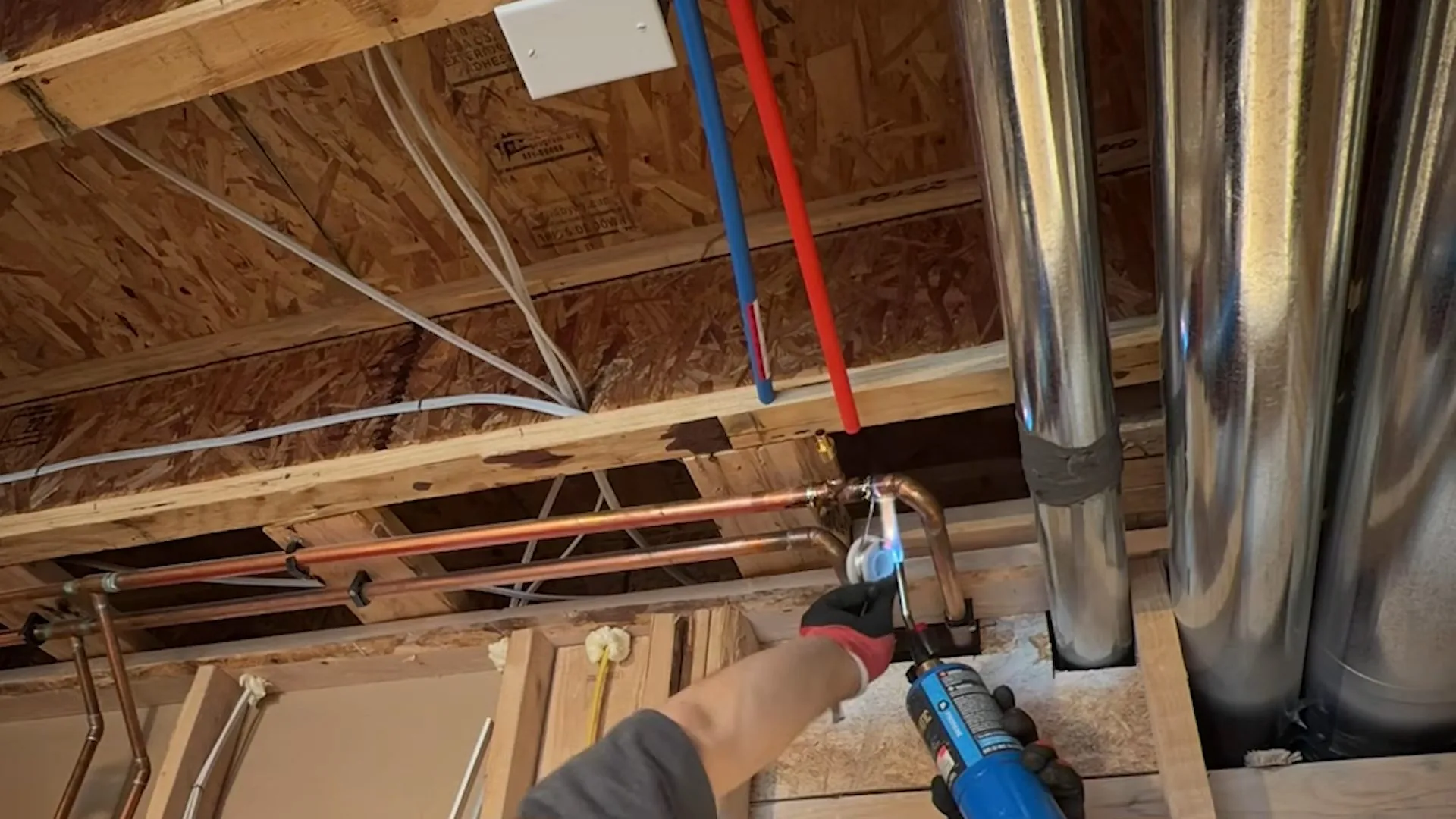
Is it time to repipe my house?
One leak is not a reason to replace every pipe. Two or more leaks on the same run, or leaks that keep appearing in new places, are. A plumber can read the pattern, but you can gather the facts first.
- How many leaks have you had in the past few years, and on which lines?
- Do the leaks follow the same material or the same stretch of pipe?
- Is the pressure low at several fixtures, not just one?
- Does the water come out discolored when it has been off for a while?
- Was the line patched with a different material than the original?
Four or five yes answers make the case for an assessment. One or two do not.
What your pipes are made of changes the answer
Older homes may carry galvanized steel or copper, and some have had other materials added over time. We do not have a verified source for which materials are common in Union City homes by era, so we will not guess. The material in your walls is something a plumber can identify at an access point.
Ask the plumber to tell you, in writing, what is in the walls and what they would replace it with. A mixed system, with old and new materials joined, can behave differently from a single new line.
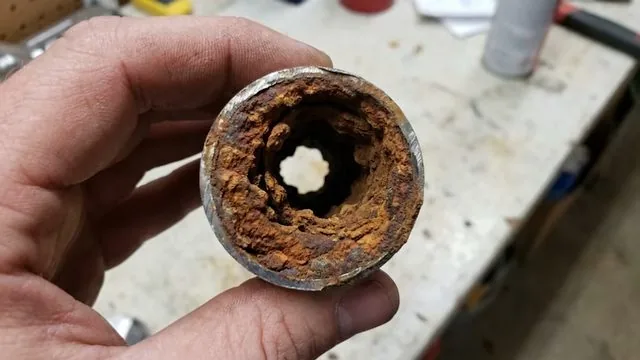
Repair the leak, replace the run or repipe the house?
| Choice | Fits when | Ask about |
|---|---|---|
| Repair the leak | One leak, pipe otherwise sound | Whether the repair material matches. See burst and broken pipe repair |
| Replace one run | Repeat leaks on a single line, such as the line to one bathroom | Which fixtures lose water during the work |
| Repipe the whole house | Leaks or low pressure across several lines, or failing material throughout | How many days the house is without water |
| Reroute under a slab | A leaking line under a slab floor | Overhead routing rather than breaking the floor. See slab leak rerouting |
The right choice is rarely the cheapest one in the first quote. Ask for each option priced separately, with what it fixes and what it leaves in place.
What is PEX, and what should I ask about it?
PEX is flexible plastic tubing used for household water lines. It bends around corners, so it often needs fewer fittings than rigid pipe. Plumbers use it widely for repiping, but the details of the installation still matter.
- Which PEX type and fitting system will be used?
- How will the pipe be supported and protected where it passes through framing?
- Where will the main shutoff and any manifold be placed, and will you be able to reach them?
- How will it connect to existing pipe at the water heater and the meter side?
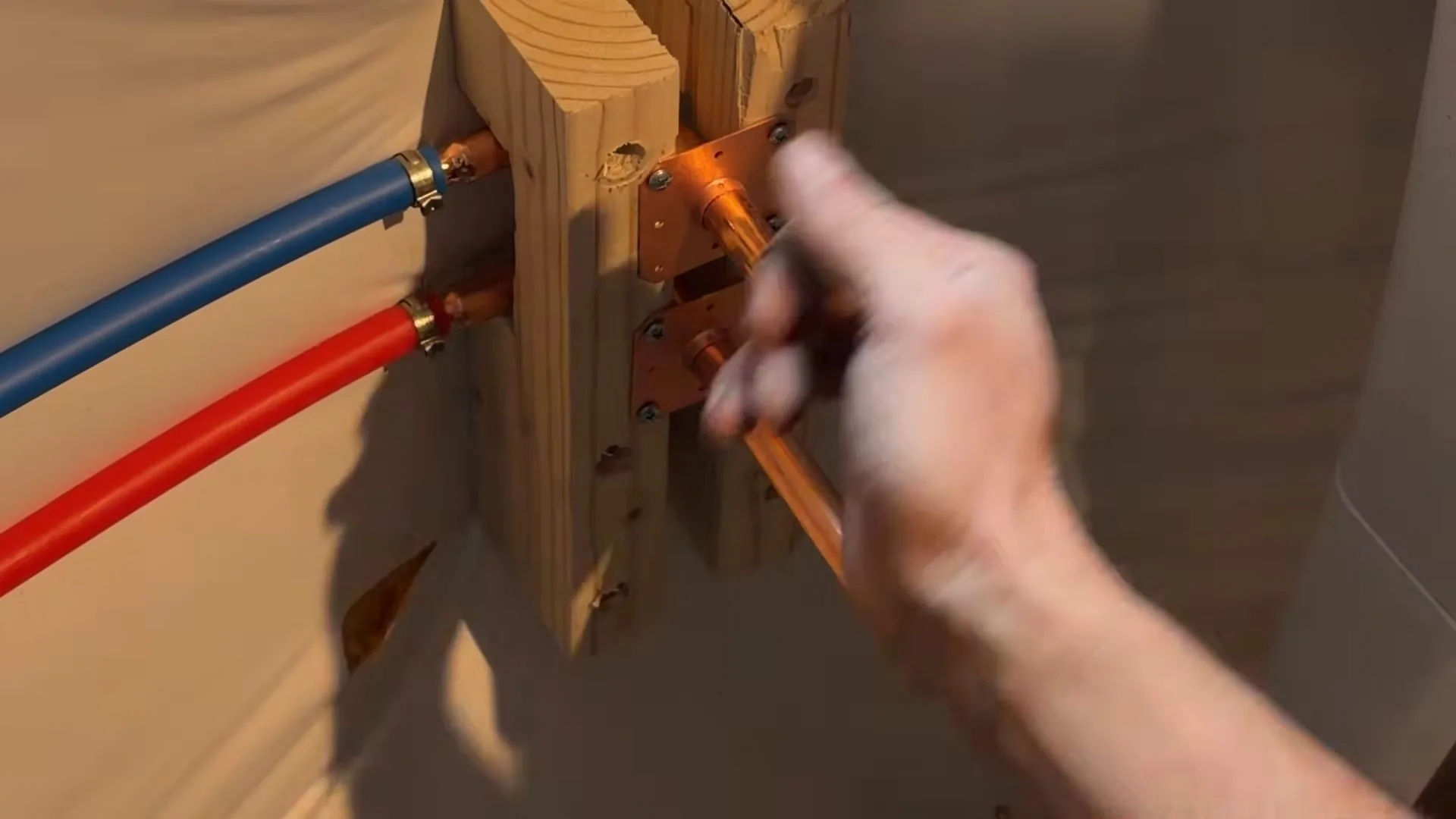
What a repipe means for daily life
A whole-house repipe opens walls and ceilings, shuts off water for stretches of time and leaves patches to finish. Ask for a plain description of the sequence before you agree.
- The plumber maps the existing lines and plans the new routes.
- Water is shut off in stages, and you plan where to wash and cook.
- New lines go in through walls, attic or crawlspace, and the old lines are capped or removed.
- The system is pressure tested before anything is closed up.
- Wall and ceiling openings are patched, and painting is arranged separately unless agreed.
Ask how long the house will be without water each day and who is responsible for the patching. Those two answers shape the rest of the week.
Why two repipe quotes can look so different
A repipe is priced by what the plumber expects to open, run and patch, so two quotes can describe different jobs. Compare scope before you compare totals.
- How many fixtures and stories? More fixtures and more floors mean more pipe and more access work.
- Which walls and ceilings are opened? Ask whether the plan uses the attic or crawlspace to avoid opening finished rooms.
- What material and fittings? Ask for the type in writing.
- What is patched, and by whom? Some quotes stop at the rough plumbing and leave drywall to you.
- What is included? Ask about the permit, the water heater connections and the final pressure test.
A quote that lists these items is easier to compare than one that gives a single number. Ask for the same breakdown from each plumber you call.
Permits and the paperwork
The city's permit page says permits are issued to the certified contractor, under the 2018 International Plumbing Code with Georgia amendments. A repipe is a large job, so ask who pulls the permit and what inspection follows.
Georgia plumbers are licensed through the Georgia Construction Industry Licensing Board, Division of Master and Journeyman Plumbers. Ask for license details before work begins, and ask who is on site each day.
Repipe records: photos, written scope, inspection and invoice
Photograph the old pipe before it is covered or removed, especially any corroded sections. Keep the written scope, the inspection record and the final invoice. If you ever sell the house or file an insurance claim, those papers show what was replaced and when.
Low pressure or leaks: rule out the regulator before repiping
Low pressure at every fixture is not always a pipe problem. The city's utility FAQ says to ask whether the city is working on its system, then to check the service line for leaks and a clogged pressure regulator inside the house. A regulator or a leak may be the answer.
Hidden leaks can also hide the pattern. If you have not had the leaks traced, start with tracing each leak. If you rent, tell the owner or property manager first. A repipe is the owner's decision.
Tell us about the leaks and the water
Describe how many leaks you have had and how the water looks, and you will hear whether repiping is worth pricing. Ranges for large jobs are listed on the whole-house repiping cost page.