
Leak detection in Union City, Fulton County
Union City, GA Water Leak Detection Services for Rising Bills, Damp Walls and Wet Yards
Your water bill jumped, a wall feels damp or a patch of lawn stays soggy, and nothing is dripping where you can see it. A hidden leak keeps running every hour it goes unfound, and the damage spreads behind finishes you cannot inspect.
Call Union City GA Plumbing Pros, describe what you have noticed, and you will hear which checks to run first and whether the leak needs a visit soon.
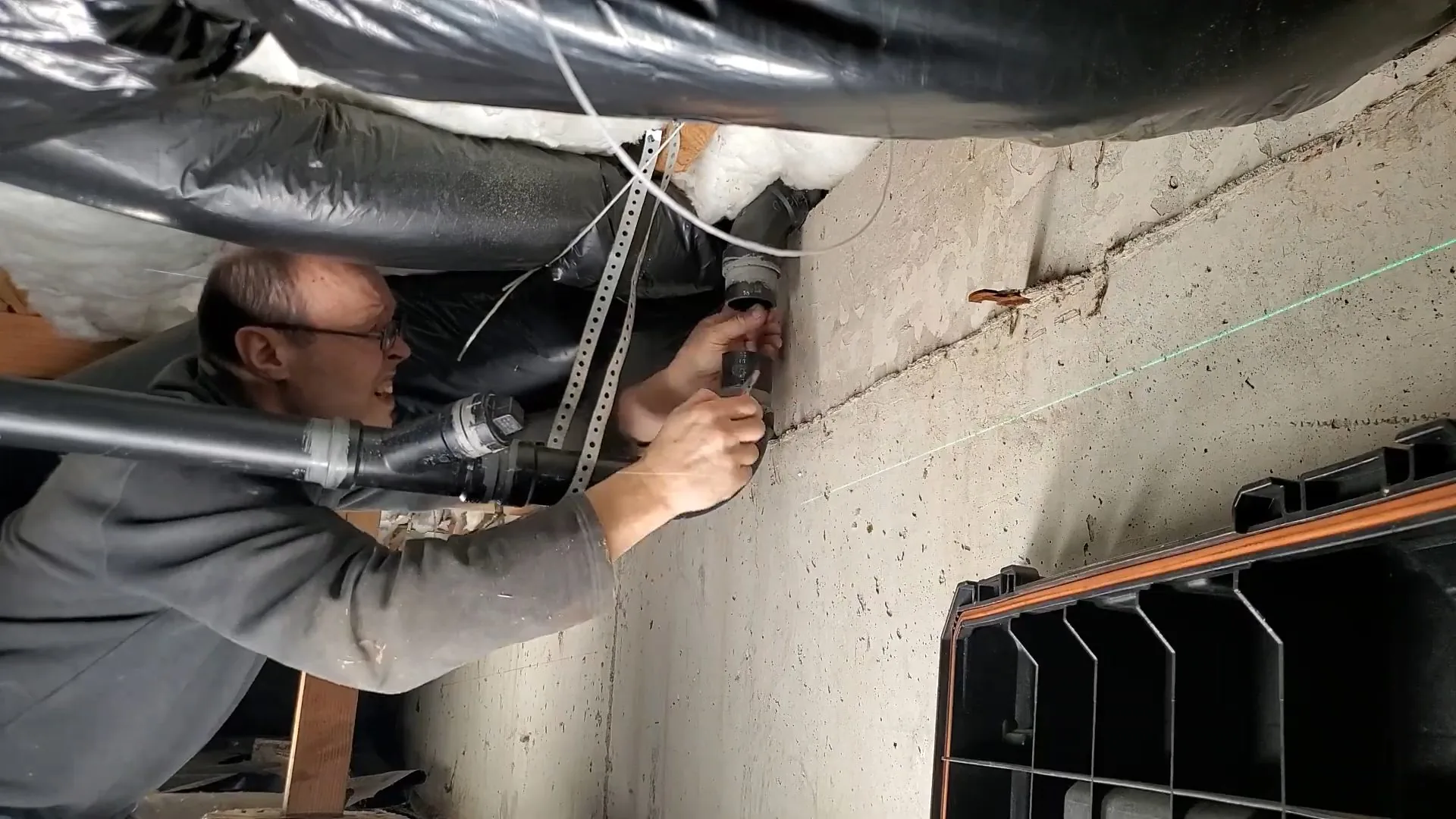
My water bill jumped. Is it a leak or something else?
Look at the pattern before assuming a pipe has failed. A bill that rose after houseguests, a new washer, a filled pool or a dry stretch of lawn watering has an ordinary explanation. A bill that rose with no change in how you live is the one worth chasing.
The most common hidden source is a toilet. A worn flapper lets water slip into the bowl without a sound. Add a few drops of food coloring to the tank, wait fifteen minutes without flushing and look at the bowl. Color in the bowl means the flapper is leaking.
- A change in use: guests, a new appliance, a filled tub or seasonal watering
- A toilet that fills or refills on its own
- A running irrigation zone or a hose left on
- A pipe leak, which keeps running even when everyone is away
Billing questions themselves go to the city. The Utility Division lists (770) 306-6855 on weekdays, and its published utility FAQ explains how the meter test works.
Run the meter test before you call anyone
This takes about twenty minutes and needs no tools. It tells you whether water is moving through the meter when nothing in the house should be using it.
- Turn off every tap and stop the dishwasher, washer and ice maker.
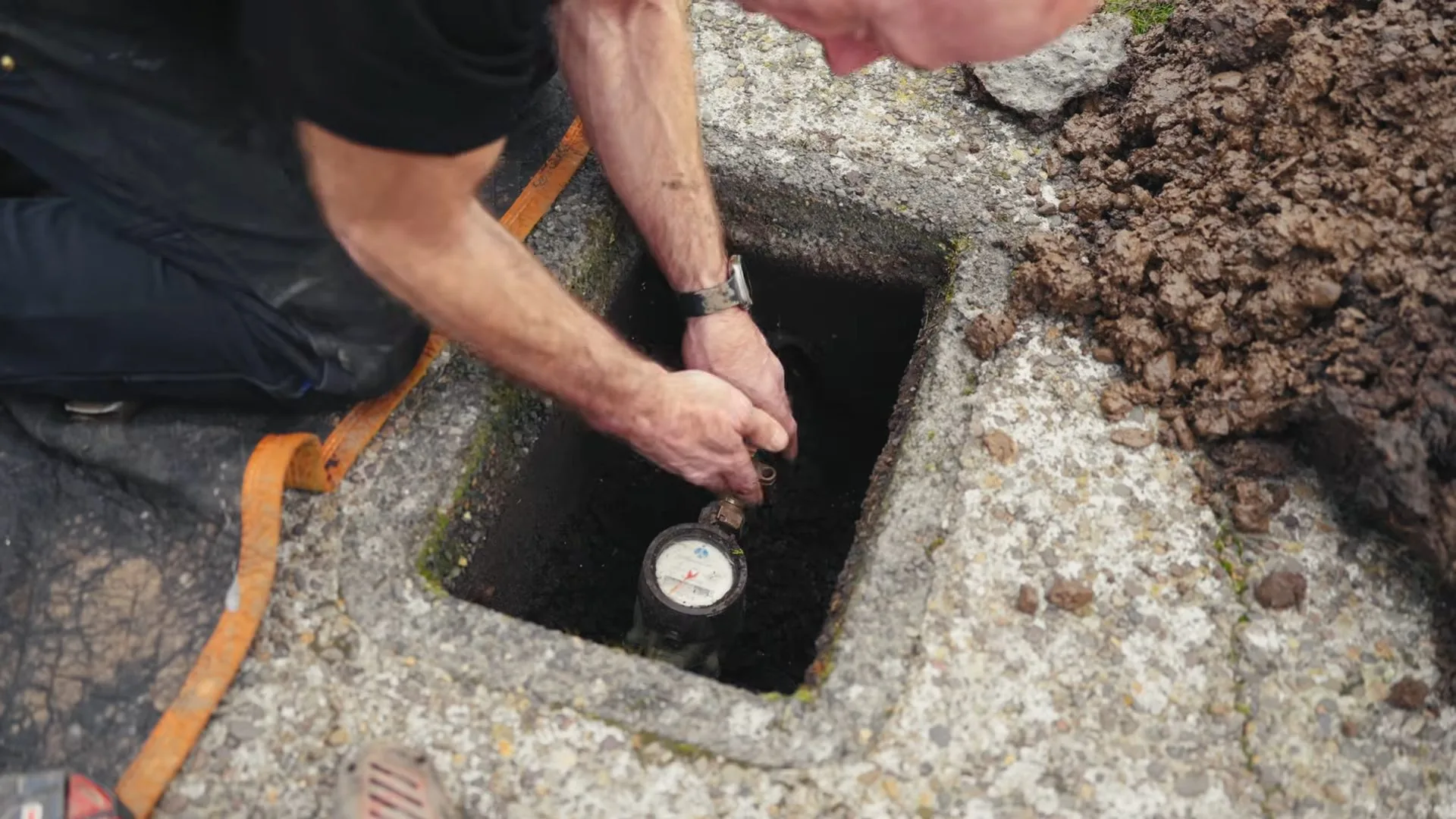
- Find the meter, usually in a box near the street at the front of the lot. Lift the lid with a screwdriver rather than your fingers.
- Write down the reading, or note where the dial sits. Some meters have a small leak indicator that spins when water moves. Watch that too.
- Wait fifteen to thirty minutes without using any water, then look again.
The city's utility FAQ says that a dial still moving with everything off means there is a leak somewhere on your side of the meter. What the test cannot tell you is where. It also counts a leaking toilet, so check the toilets first.
Where is the water going? Sorting likely sources
What you see narrows the search. Use the table to match the sign to the likeliest source and the right first call. It is a starting point, not a diagnosis.
| What you see | Likely source | First call |
|---|---|---|
| A soft or unusually green patch of yard between the street and the house | The service line that runs from the meter to the house | The city if the water is before the meter, a plumber if it is on your side |
| A brown stain spreading on a ceiling under a bathroom | A supply line, drain line or fixture above the stain | A plumber. If the stain grows only after rain, call a roofer |
| A damp, discolored or musty wall | A pipe or valve inside the wall | A plumber, before the wall is opened |
| A warm patch on the floor or running-water sounds with everything off | A hot line under the floor | A plumber, starting with slab leak repair |
| Water pooling at the base of the water heater | The tank or its fittings | A plumber, for water heater leak repair |
| Dripping under a sink | A supply line, trap or faucet | A plumber, for faucet and sink leaks |
How do I know if a leak is under my house or crawlspace?
From the outside, look for a patch of ground that stays wet in dry weather, a foundation wall that is damp low down or a sunken stretch of soil along the line to the meter. Indoors, look for floor covering that lifts, a warm spot underfoot or the sound of running water when the house is quiet.
Stay out of a crawlspace if it holds standing water, wiring or anything you cannot see clearly. Photograph what you can see from the access door and describe it on the call. That is enough for a plumber to plan the visit.
What causes a ceiling or wall leak, and who do I call?
Water that appears on a ceiling or wall has often traveled from somewhere else. Three causes account for most calls, and they have three different owners.
Usually a plumber
- A stain below a bathroom, laundry room or kitchen
- A stain that grows when water is run upstairs
- A wall that is damp whether or not it rained
Usually someone else
- A stain that appears or grows only after rain: a roofer or gutter installer
- Drips from air-conditioning condensate: an HVAC technician
- A gas smell: leave the house and call your gas utility from outside
A gas leak is never a plumbing check. If you smell gas, leave first and call 911 or your gas utility's emergency line from outside the house.
What to ask for when a plumber finds the leak
Detection tools have names, but the report is what you can use. Acoustic listening picks up the sound of escaping water, thermal imaging shows temperature differences behind a surface and a pressure test shows whether a closed line holds. None of them is a substitute for an answer you can read.
- Where is it? Ask for the location in plain terms, with photos or a sketch.
- How was it confirmed? Ask which method found it and what else it ruled out.
- What opens up? Ask which wall, ceiling or floor must be cut, and who restores the finish.
- Is a permit involved? The city's permit page says permits are issued to the certified contractor. Ask whether your repair needs one.
- What is in writing? Ask for the findings and the proposed repair before work begins.
Pinholes, repeat leaks and when to think about replacing pipe
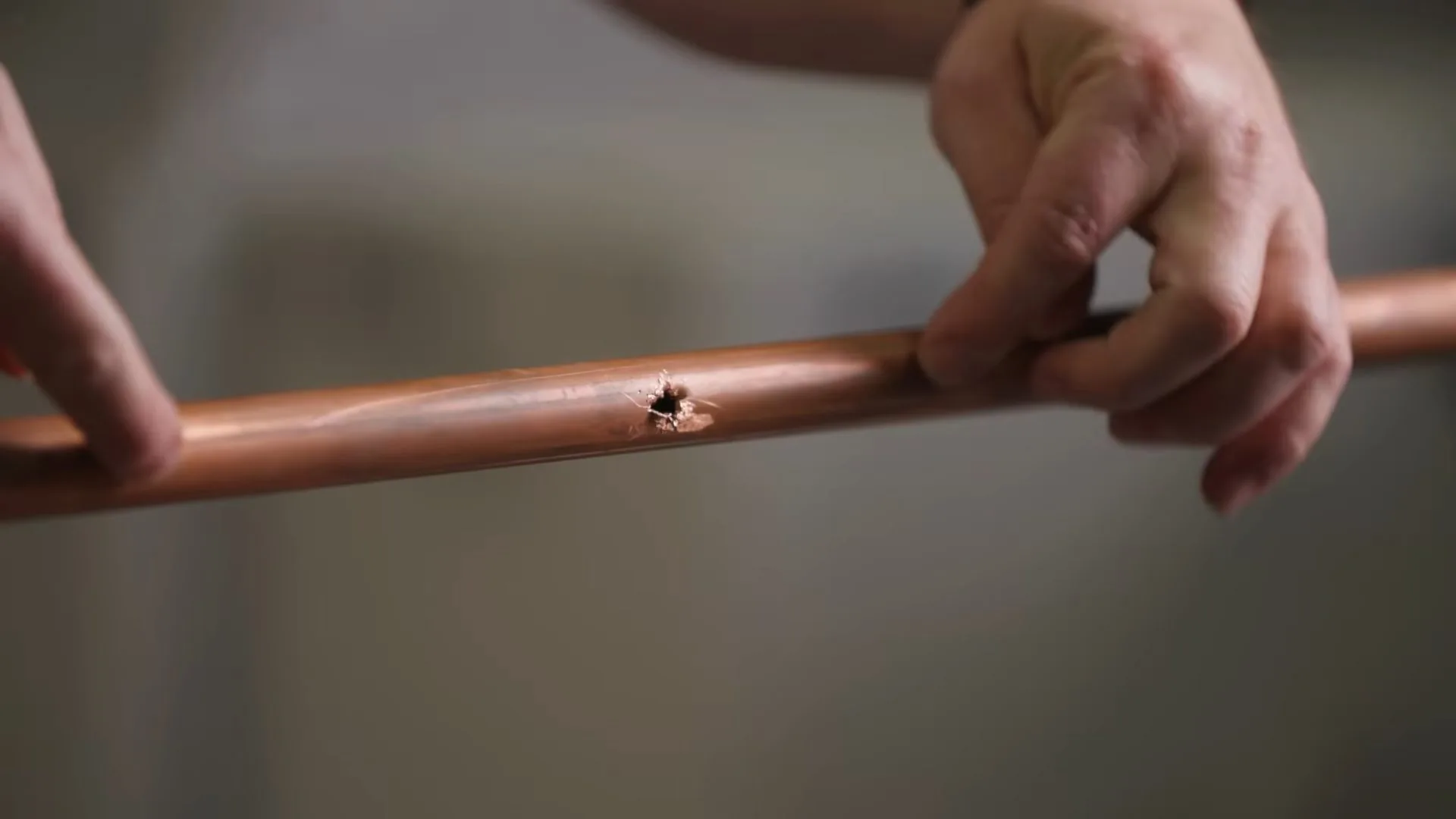
A pinhole leak is a tiny breach in a copper line that sprays a fine mist or leaves a stain. Corrosion can start from the inside or the outside of the pipe, so the cause is not clear until the section is exposed. One pinhole is a repair.
Two or three leaks on the same line within a short time are different. They suggest the pipe itself is wearing out. At that point ask for an assessment of the whole run, and read about whole-house pipe replacement before approving another patch.
Yards, pools and sprinklers: what a plumber can check
A wet yard with a rising bill may be the service line, or it may be an irrigation zone stuck open. A plumber can test the household supply and the line feeding the sprinklers. A broken sprinkler head or a timer fault belongs to whoever maintains the irrigation system.
Pools and spas follow the same split. If the water level drops and the shell or pump equipment is the suspect, a pool contractor is the right call. If the loss shows as a wet lawn between the house and the pool, or as a higher bill, tell the plumber, who can test the supply and fill lines.
Limit the damage while you wait
- Close the main shutoff valve if water is actively escaping, then open one low faucet to drain the lines.
- Move belongings away from wet floors and walls, and photograph the damage before you clean up.
- Keep the bills that show the increase. They document when the leak began.
- If you rent, tell the owner or property manager first. They may need to approve the repair.
If water has already soaked carpet, drywall or cabinets, the drying work is covered on the water damage cleanup page. Finding and stopping the leak comes first.
Call about a high bill, damp stain or soggy lawn
Tell us about the bill, the stain or the soggy lawn and you will hear whether a visit is needed soon or can be scheduled. What changes the price of leak work is explained on the typical plumbing costs page.