
Water filtration in Union City, Fulton County
Union City, GA Water Filtration Systems for Taste, Odor and Staining Questions
The water tastes or smells off, there are stains in the sinks or you simply want a filter on the kitchen tap. Choosing a system before you know what you are filtering is the most common and most expensive mistake.
Call Union City GA Plumbing Pros, describe what you notice and where, and you will hear what to test first and what a filter can and cannot do.
Where does my water come from, and what does the city report?
Union City runs its own water system and buys treated water from the City of Atlanta, which draws from the Chattahoochee River. The city's 2023 water quality report lists the system's water source and test results.
That report is where to start for questions about what is in the water as it reaches the system. It says nothing about the pipes inside your house, which is why a taste or staining problem at one tap may be a plumbing problem, not a supply problem.
Is Union City water hard, and do I need a softener?
We have not found a hardness figure in the city's published report, so we will not tell you your water is hard or soft. Buying a softener on a guess can mean spending on equipment you do not need.
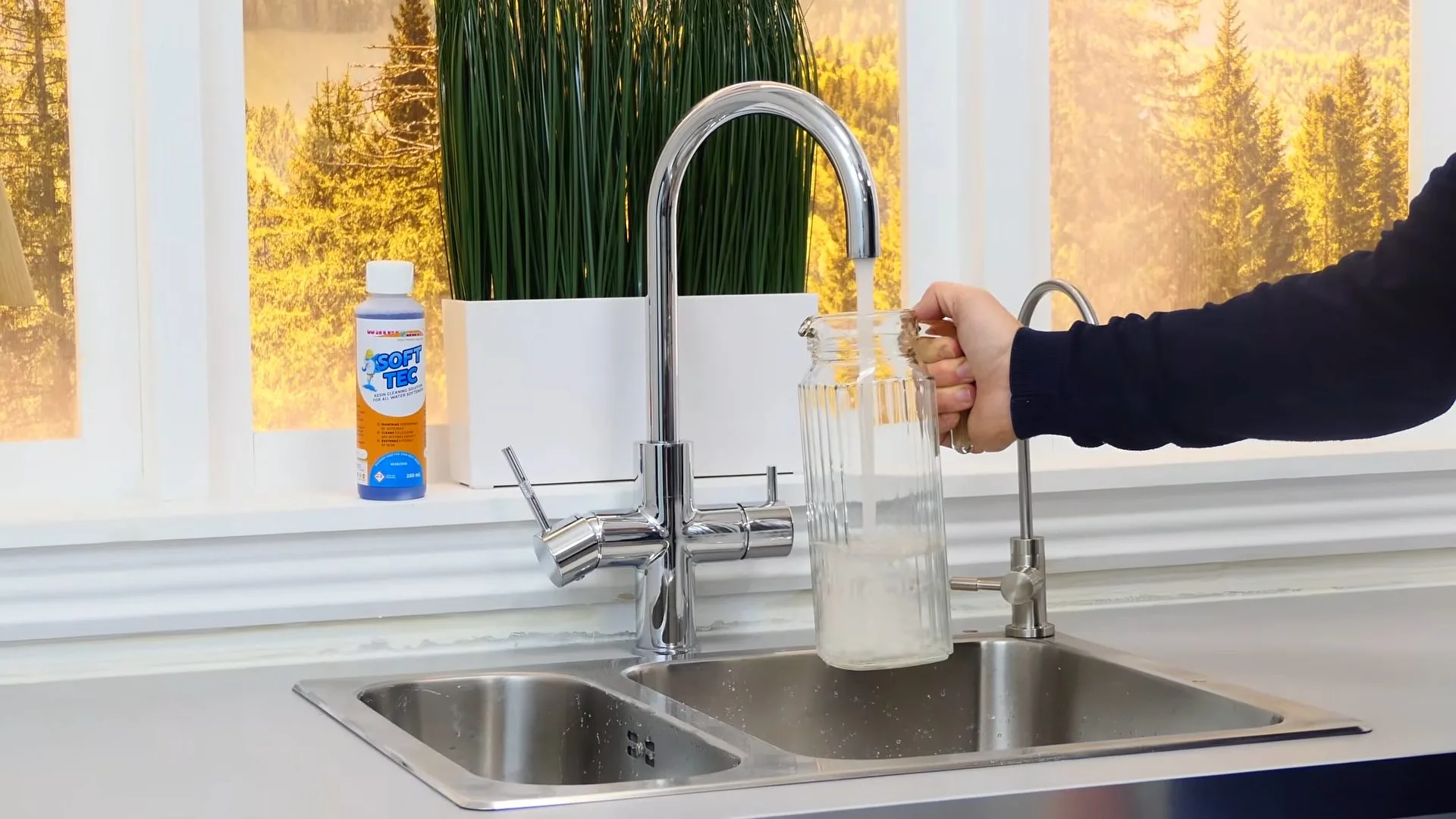
A simple test kit or a lab test gives you a number. Ask the plumber to recommend a test before any equipment is quoted. Signs that point toward hardness include white crust on faucets and a film on shower doors, but they are not a measurement.
What exactly bothers you about the water?
The problem decides the answer. Match what you notice to a likely cause before you shop.
| What you notice | Possible cause | Test or check first |
|---|---|---|
| Chlorine taste or smell | Treatment chemicals in the supply | A carbon filter at the tap often addresses taste |
| Rotten-egg smell from hot water only | A reaction in the water heater | Ask a plumber to check the heater, not the supply |
| Brown or rusty water after sitting | Old pipes or sediment in the lines | Run the tap and see if it clears. If it keeps happening, call |
| White crust on fixtures | Mineral deposits | A hardness test, then decide on a softener |
| Particles or cloudiness | Sediment, or a disturbance in the lines | Check with the city if the whole street is affected |
Carbon, sediment or reverse osmosis: which fits which problem?
- Carbon filters reduce chlorine taste and odor. They suit a kitchen tap or a whole-house cartridge.
- Sediment filters catch sand and particles and often sit ahead of other filters.
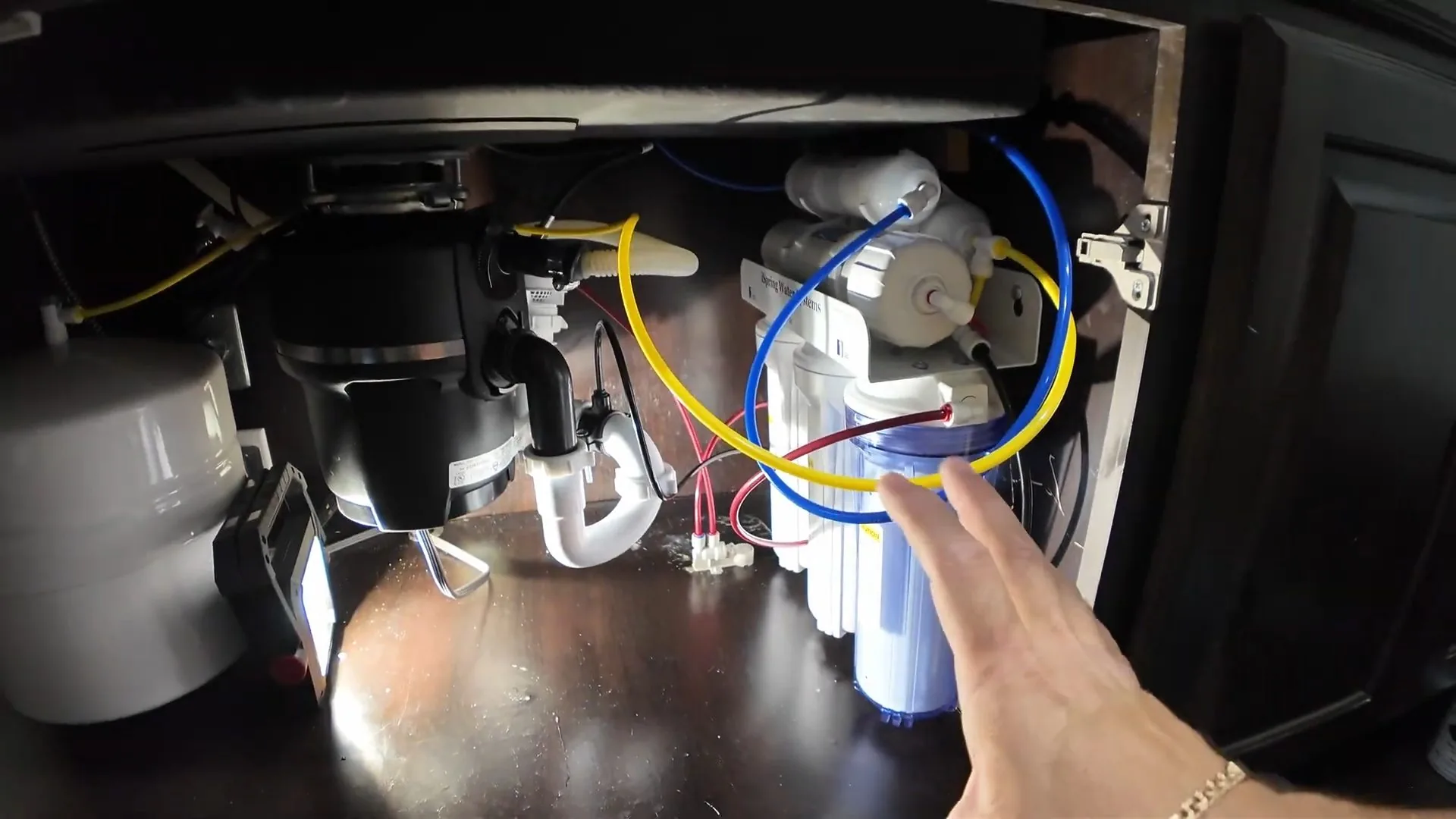
- Reverse osmosis polishes drinking water at one tap. It wastes some water and needs a drain connection.
- Water softeners address hardness. They need a drain and, usually, salt.
A filter removes what it is rated for and nothing else. Ask for the rating sheet and compare it to the problem you identified, not to a general claim about purity.
Tap-level filter or whole-house system: what each protects
A tap-level system filters the water you drink and cook with, and it costs less to install and maintain. A whole-house system treats every tap, shower and appliance, and it affects the water heater and the washer.
- What do you want to protect? Drinking water, or every fixture?
- Where will it go? Ask about space, a drain connection and access for changing cartridges.
- What is the upkeep? Ask how often cartridges or media need replacing and who does it.
- What happens to water pressure? Ask whether the system is rated for your household's flow.
Where the filter connects, and what to ask the installer
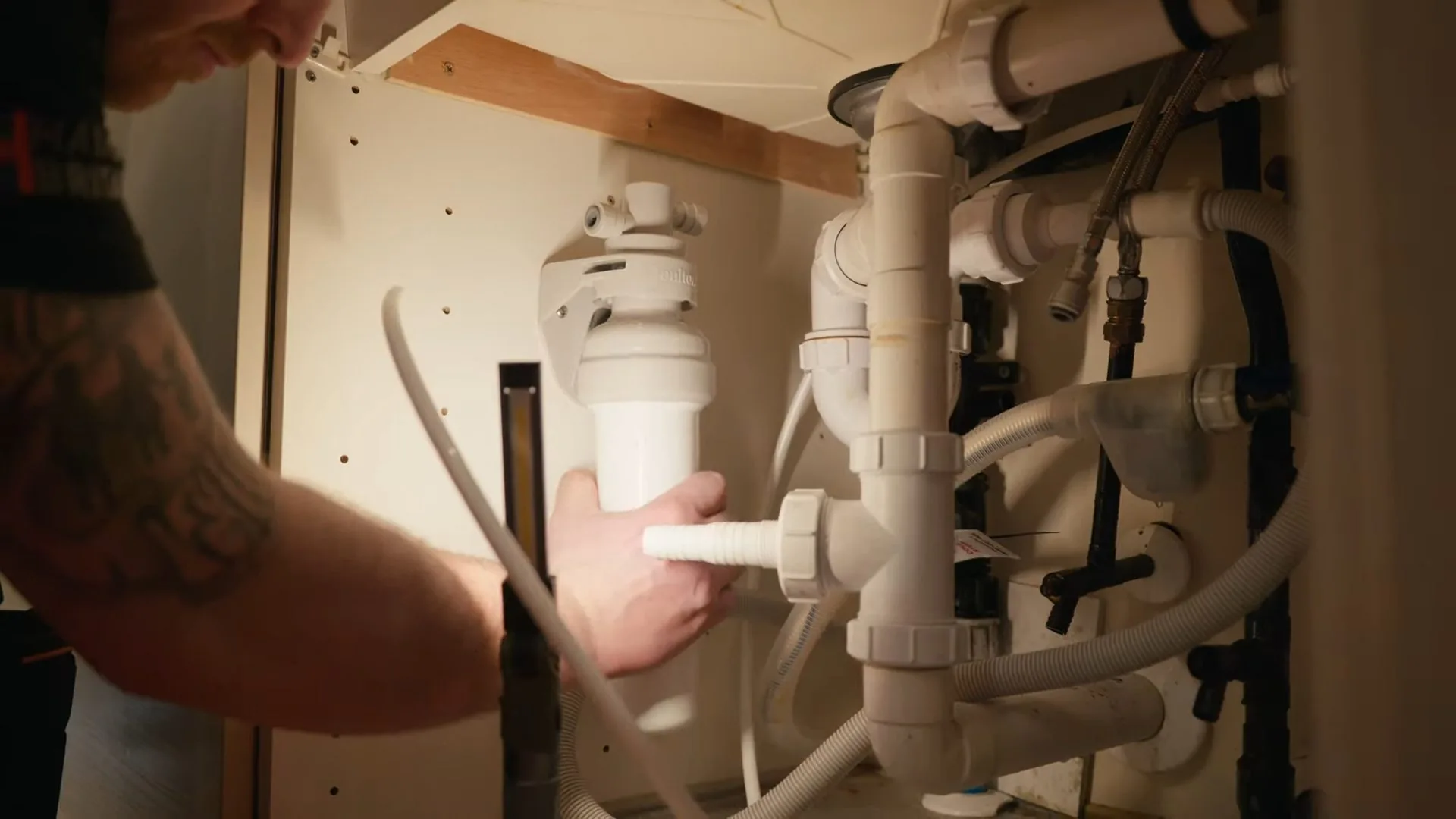
A filter or softener is plumbed into the water line, so the installer should explain how it is isolated and serviced. You should be able to shut it off and replace parts without turning off the whole house.
- Ask where the shutoff and the bypass valves will be, so water continues to flow while the unit is serviced.
- Ask where a reverse osmosis or softener drain line will run and how it connects to the house drain.
- Ask how the system will be supported and whether it can be reached once installed.
- Ask what warranty applies to the parts and to the labor.
What a filter does not fix
A filter treats the water that passes through it. It does not repair a leaking pipe, it does not stop corrosion inside old pipe and it does not change the water heater. If the problem is hot water only, or at a single tap, the cause is probably in the plumbing, and a filter will not help.
Filters also need care. A cartridge that is left too long clogs, restricts flow and can stop doing its job. Ask for a schedule in writing and a way to tell when a change is due.
Keep the water test result with its date and sample point
Whatever you decide, keep the test result with the date, the sampling point and the lab or kit used. If the taste changes or you add a second system later, the original result is a baseline, and it helps a plumber advise you without starting from scratch.
Permit and the installer
A whole-house system or a softener changes the water line and adds a drain connection. Ask whether it needs a permit. The city's permit page says permits are issued to the certified contractor. Georgia plumbers are licensed through the Georgia Construction Industry Licensing Board, so ask for license details.
Filter purchase questions: purpose, test result, yearly running cost
- What problem is this system meant to solve, and how will we know it worked?
- What is the test result behind the recommendation?
- What does it cost to run for a year, including replacement parts?
- If you rent, has the owner or property manager approved a change to the plumbing?
If the problem seems limited to one tap, a leak or a failing pipe may be the cause. Read about finding a hidden leak before assuming the water is the problem.
Describe the taste, smell or stain you are seeing
Tell us what you notice and where, and you will hear what to test before any equipment is chosen. What drives the price of a filtration system is explained on the water filtration pricing factors page.