
Garbage disposal repair in Union City, Fulton County
Union City, GA Garbage Disposal Repair and Installation for a Humming Motor, a Jammed Blade or a Leak Underneath
The disposal hums but nothing spins, it will not turn on at all, or there is water in the cabinet beneath it. Most disposal problems come down to a jam, a tripped reset or a failed seal, and the first check is the same for all of them.
Call Union City GA Plumbing Pros, describe the sound the unit makes and where any water shows up, and you will hear what to try and when to book a visit.
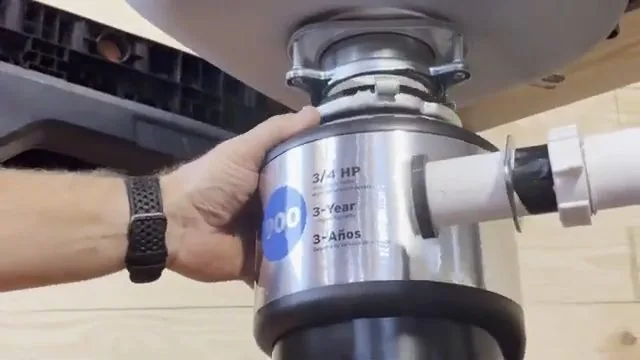
The disposal hums but will not spin
A humming sound with no spinning usually means the motor is working and something is blocking the blades. A utensil, a bone, fruit pits or a build-up of food can lock the plate that spins the grinder.
- Switch the disposal off at the wall switch, and unplug it from under the sink if it is a plug-in model. Never put a hand into the opening.
- Look into the drain opening with a flashlight. Pick out anything visible with long tongs or pliers.
- Find the hex-shaped socket in the center of the underside of many units and turn it back and forth with the hex wrench that fits. That frees a stuck plate.
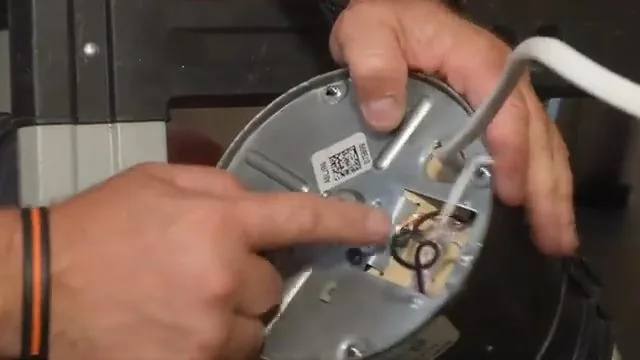
- Press the red reset button on the underside of the unit.
- Restore power, run cold water and try the switch again.
If it still hums or trips again right away, stop. A repeated trip means a motor or wiring problem that a plumber should look at.
Silent disposal: reset button, breaker, wall switch and plug
A disposal that is silent usually has no power. The reset button on the bottom is the first thing to try. If that does nothing, check the breaker and whether the wall switch works, then look at the plug under the sink.
| What happens | What it points to | Next step |
|---|---|---|
| Hum, no spin | A jam on the grinder plate | Hex wrench, then reset |
| Silent | A tripped reset, a breaker, or a dead motor | Reset, then check the breaker. If nothing, call |
| Trips repeatedly | A motor under strain or a wiring fault | Stop using it and call |
| Spins but is slow to grind | Dull or worn parts, or a partial blockage | Run cold water longer, and call if it persists |
Water under the sink: which connection is leaking?
A leaking disposal can drip from three places, and each one points to a different repair. Run water with the disposal off, dry the surfaces and watch where the first drop appears.
- From the top, near the sink flange. The mounting seal or putty has failed. The disposal may need to be remounted.
- From the side, at the dishwasher or drain connection. A hose clamp or a gasket is loose or worn.
- From the bottom or the body. The housing has cracked or corroded, and the unit is usually replaced.
Do not keep running a disposal that is leaking from its body. Water around the electrical connection is a hazard, so switch it off and call.
A bad smell or a drain that backs up into the sink
A disposal that smells or drains slowly may have food stuck in the chamber or a clog past the trap. Chemical drain openers are a poor choice because they can damage seals and leave caustic liquid in the unit.
If the sink fills with gray water when the disposal runs, the drain line past the unit is partly blocked. That is a drain problem, not a disposal problem, and it is covered in kitchen drain clog clearing.
Repair or replace the disposal?
- A jam or a reset. Almost always a repair.
- A loose connection or a worn seal. A repair in most cases.
- A cracked housing. The unit is replaced.
- A motor that keeps tripping, or an old unit that grinds poorly. Replacement is worth pricing.
If you decide to replace it, ask whether the quote includes a new mounting kit, the discharge connection and the power cord. A larger motor draws more current, so ask whether the outlet can handle it.
Installing a new disposal: what the job involves
A replacement disposal mounts to the sink flange under the drain opening, connects to the drain line and, in most kitchens, to the dishwasher hose. It also needs power, either a plug or a hardwired connection.
- If the dishwasher drains through the disposal, the knockout plug inside the new unit must be removed before the hose is connected. Missing that step stops the dishwasher from draining.
- Check that the sink flange and mounting ring are in good shape. A worn mount often comes with an old unit.
- Ask about an electrical switch. A disposal needs a switch you can reach, and a plug or hardwired connection needs to match the unit.
- Ask about the discharge pipe and trap. They may need adjusting to fit.
What goes in a disposal, and what does not
- Keep out: grease, oil, coffee grounds in volume, pasta and rice that swell, fibrous peels, bones and eggshell in bulk.
- Fine in small amounts: soft scraps with plenty of cold water running.
- Never: utensils, glass, plastic or anything that is not food.
Run cold water for a short while before and after grinding. Cold water keeps fat solid so it moves through, instead of coating the pipe wall and building up.
Before the plumber arrives
Clear the cabinet under the sink so the plumber can reach the unit, and note the make and any model number on the underside. Tell them what you tried, including if you used the hex wrench or the reset.
If you rent, tell the owner or property manager. A disposal is usually a fixture the owner is responsible for. The city's permit page says permits go to the certified contractor, which rarely applies to a simple swap but is worth asking about on larger work.
Describe the sound and where the water shows
Tell us whether the unit hums, trips or leaks, and you will hear what to try and what to expect. Ranges for common repairs are on the disposal repair cost page.