
Water heater replacement in Union City, Fulton County
Union City, GA Water Heater Installation and Replacement for Failed Gas, Electric and Hybrid Tanks
The old heater has failed, or a repair no longer makes sense, and you need to choose a new one. Several decisions come with it: gas, electric or hybrid, what size, what has to change at the connections and whether a permit is involved.
Call Union City GA Plumbing Pros, tell us about the heater you have now and what it is doing, and you will hear what to decide first.
How do I know the heater is too old to keep repairing?
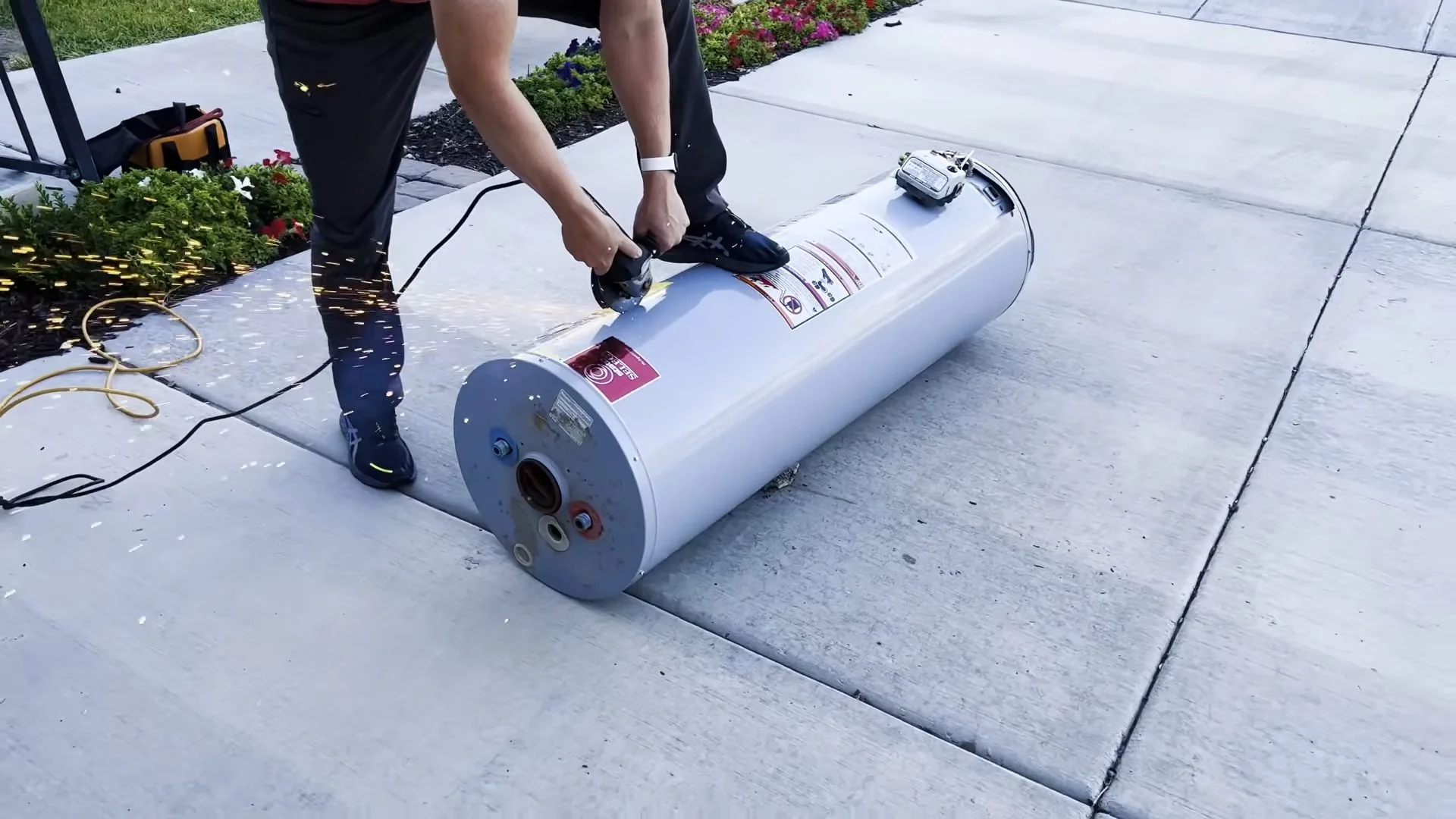
Age and condition decide, not a calendar number. Look for the data plate on the tank, which shows a serial number that usually encodes the manufacturing date. A plumber can read it in a minute.
- A leak from the tank shell or seam usually ends the tank's life.
- Rust-colored hot water can point to corrosion inside the tank.
- Repeated repairs in a short time suggest more failures are coming.
- A heater far past its warranty period is a poor bet for expensive parts.
If the heater is sound and a part failed, repairing it may make more sense. That case is covered in repairing the existing heater.
Gas, electric or hybrid: what changes with each
| Gas tank | Electric tank | Hybrid heat pump | |
|---|---|---|---|
| Needs | A gas line, a vent and combustion air | A dedicated electrical circuit | A circuit, space around the unit and a condensate drain |
| Decision points | Whether the existing vent and gas line can be reused | Whether the circuit and panel can handle the load | Whether the location has enough room and airflow |
| Ask about | Venting, shutoff and sediment trap | Breaker size and wire condition | Noise, clearance and drain location |
Switching fuel adds work. A gas heater replaced by an electric one needs a new circuit, and an electric heater replaced by gas needs a gas line and a vent. Ask for those costs separately when you compare.
What size tank fits my household?
Size depends on how many people use hot water and how many people use it at the same time. A household where two showers run together needs more recovery than one where hot water is used in turns.
Ask the plumber to talk about your habits, not just a gallon number. Ask how fast the unit recovers after a large draw, because a smaller tank that heats quickly can serve a household better than a larger one that heats slowly.
Shutoff, supply lines and relief valve: what a swap replaces
A new heater rarely drops into the old one's footprint without changes. Ask what will be replaced, not just what will be reused.
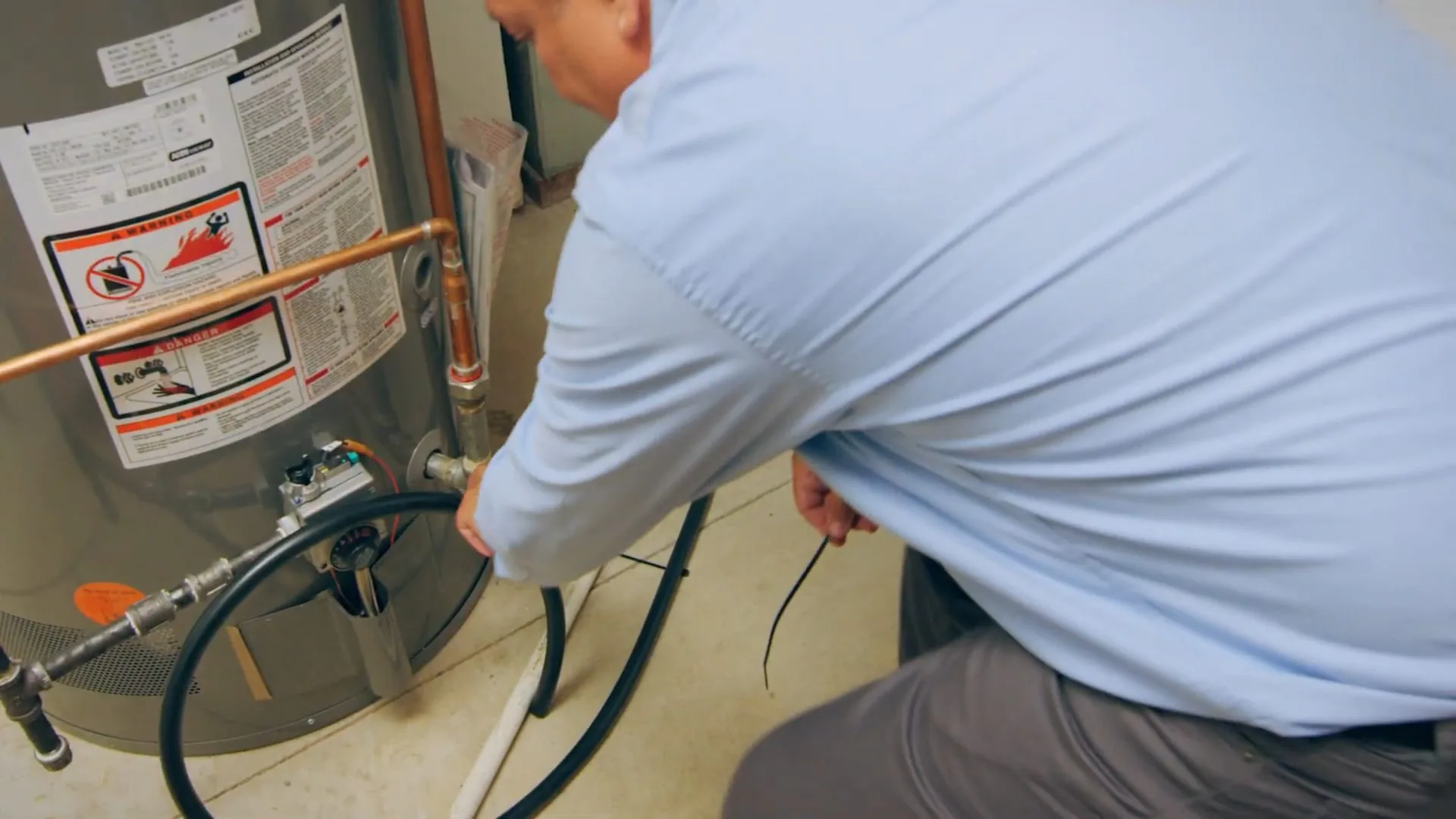
- The shutoff and supply lines. Ask whether they are replaced or reused.
- The pressure relief valve and its drain pipe. The discharge line should run to a safe place.
- An expansion tank. If your supply has a pressure regulator or a check valve, water cannot flow back out. An expansion tank is generally needed in that case, so ask if your home has one.
- A drain pan. A pan under a heater in a finished space catches a small leak.
- Gas or electrical work. Ask whether the connection, vent or circuit changes.
Where the new heater goes: space, vent and drain
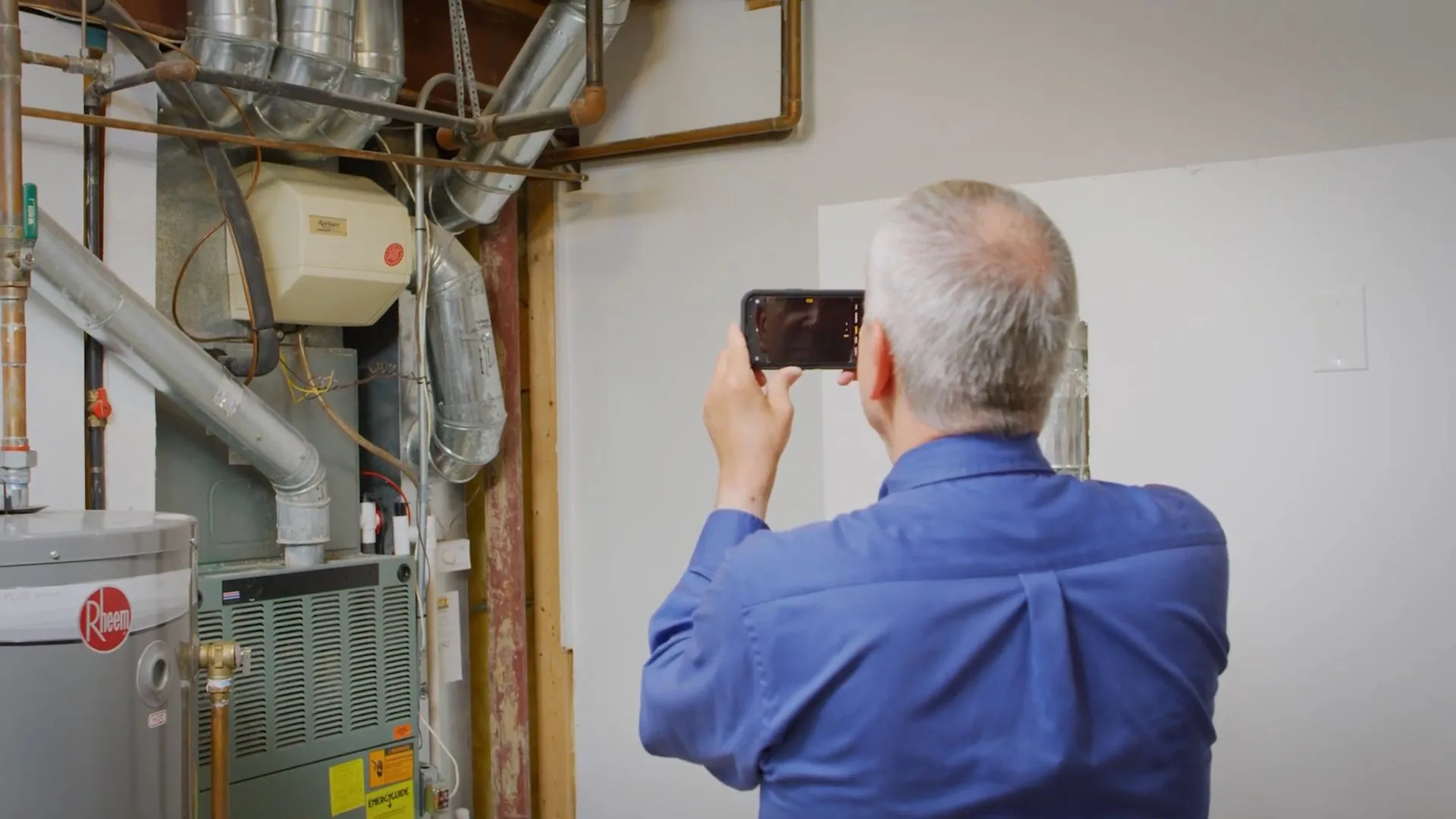
Where the old heater sits is not always where the new one fits. Newer units can be taller or wider, and a gas unit needs combustion air and a vent path that clears the building. A hybrid unit needs room to draw air.
- Measure the height and width of the closet or alcove, and tell the plumber about doorway and attic access.
- Ask where the relief valve drain pipe will run and where it will end.
- Ask whether the floor under the heater is sound and whether a drain pan fits.
- Ask how the vent will terminate and how it will clear the roofline.
These are quick to settle on a first visit. They prevent a second trip to fix a connection that does not line up.
What happens to the old heater
Draining and removing a full tank is heavy, wet work. Ask whether the price includes draining, hauling and disposing of the old unit, or whether that is yours to arrange. Ask the plumber to confirm that the gas valve, the water valves and the electrical supply are all closed before the old unit is disconnected.
Do I need a permit to replace a water heater in Union City?
The city's permit page says permits are issued to certified contractors, under the 2018 International Plumbing Code with Georgia amendments. A replacement is the kind of job where a permit and an inspection can apply.
Ask the plumber whether your job needs a permit, who pulls it and what the inspection looks at. Georgia plumbers are licensed through the Georgia Construction Industry Licensing Board, Division of Master and Journeyman Plumbers, so ask for license details before work begins.
Price, warranty and downtime questions before you approve
- What is in the price: the unit, parts, haul-away of the old heater and permit fees?
- What warranty applies to the unit and to the labor, and in writing?
- How long will the house be without hot water?
- What happens if the work finds a problem, such as a corroded fitting or a failing vent?
- If you rent, has the owner or property manager approved the replacement?
If you are weighing a different style of heater, read about tankless units before you choose. Tankless changes the venting, the gas line size and the cost.
If the old heater is leaking right now
If water is on the floor, close the cold supply valve above the heater and switch off power only if the panel and floor are dry. For a gas heater, turn the gas control to its off position. If you smell gas, leave the house and call 911 or your gas utility from outside.
Tell us about the heater you have now
Describe its age, fuel and what it is doing, and you will hear what to decide first. Ranges for replacements are listed on the water heater cost page.